
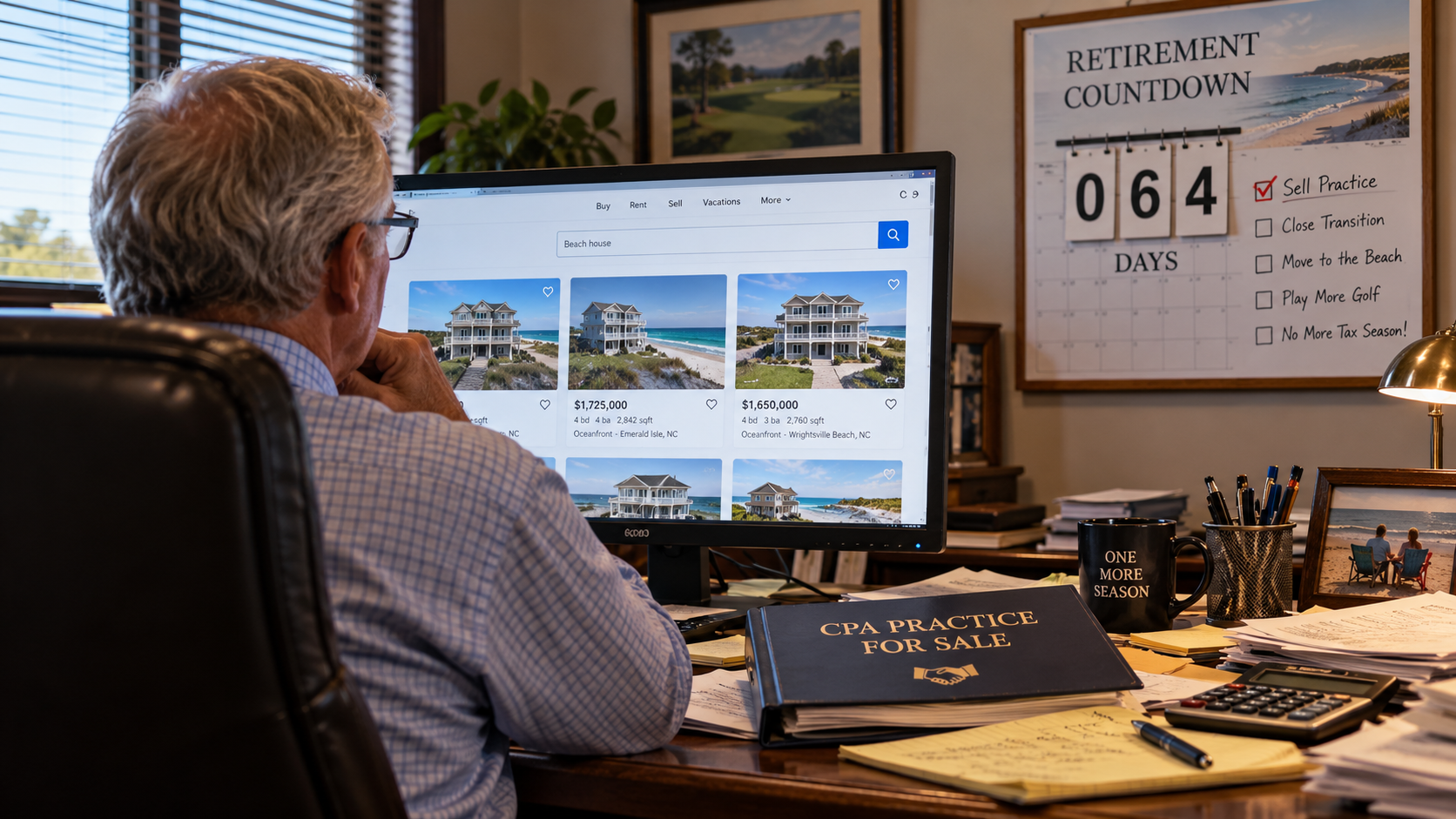
Selling your accounting practice? Here’s why a percentage-of-collections structure protects both sides, especially for traditional, tax-only CPA firms.
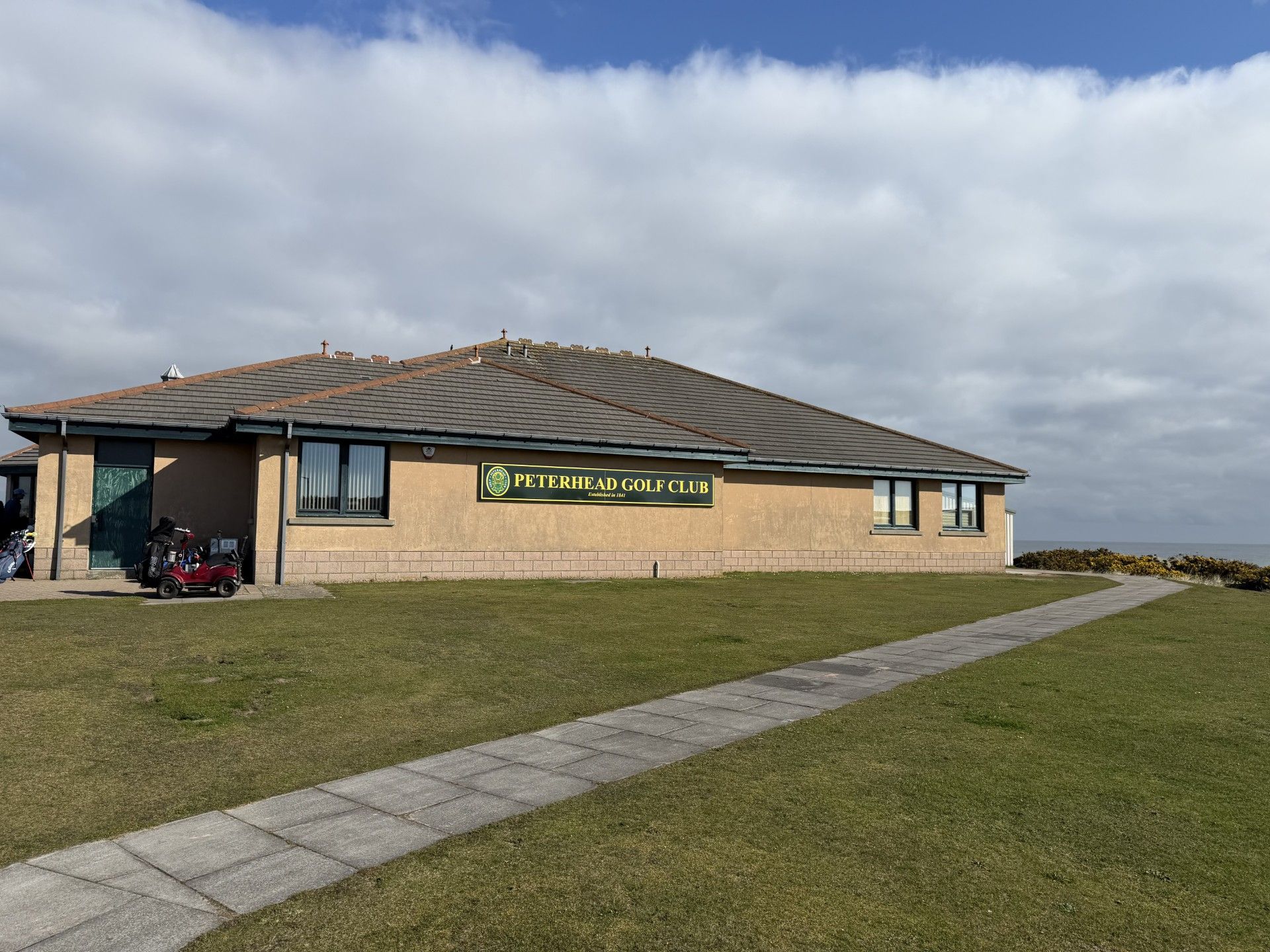
One of Scotland's oldest golf clubs uses single-rider cycles to keep golfers playing. Here's how small Indiana courses can add revenue the same way.

A small Scottish course turned a group of 24 golfers into 24 paying customers. Here's what Indiana courses can learn about 19th hole profits.

Signs You’ve Outgrown Your CPA

Wondering why your CPA bill is never the same twice? Here’s how hourly billing works against you, and what a predictable fee actually buys you.

Your financials show a profit, but your bank account doesn't agree. Here's why that happens, and what we look for when it does
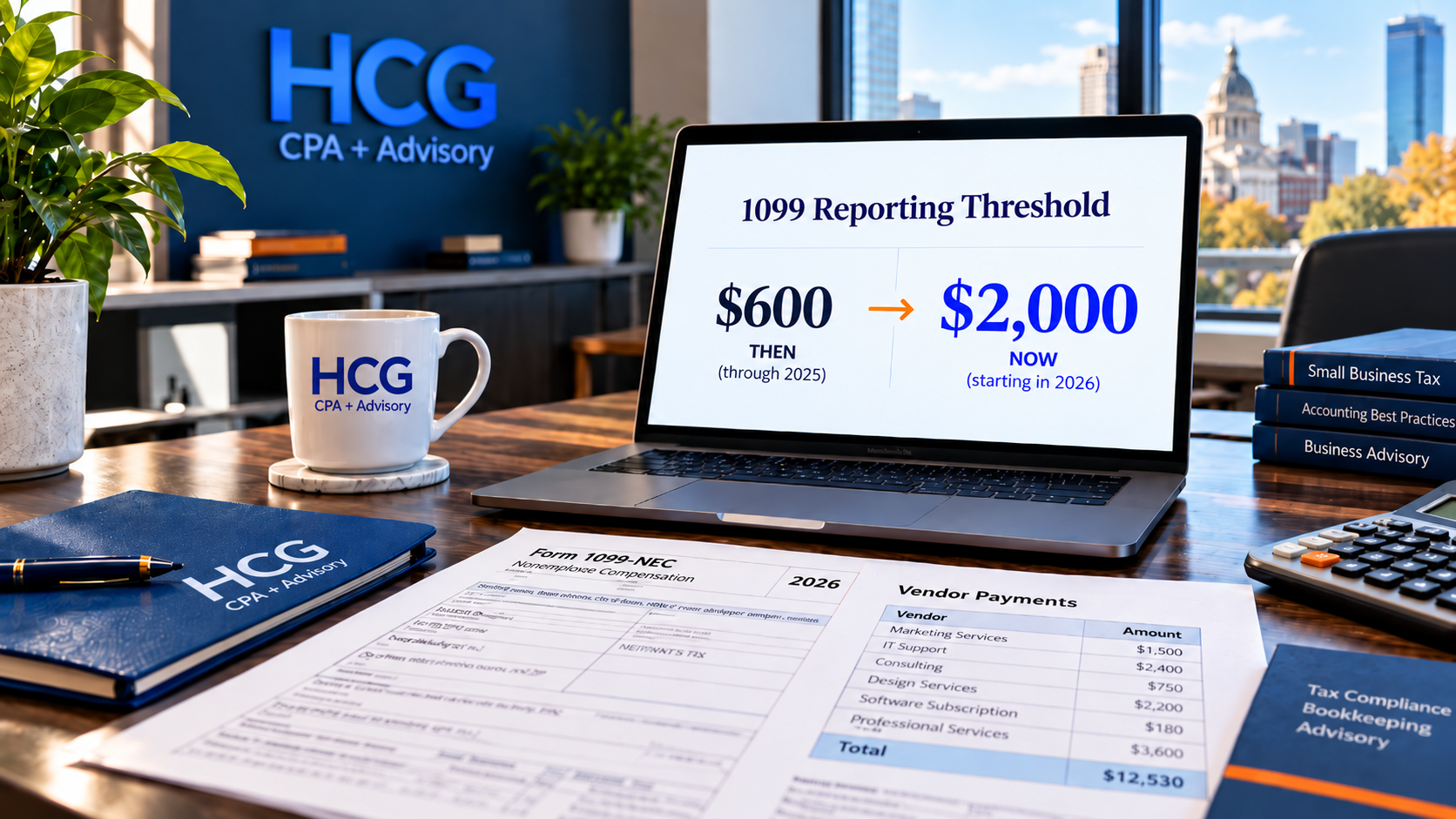
The 1099 reporting threshold jumped from $600 to $2,000 for 2026. Here's why that makes collecting a W-9 before your first payment more important, not less.
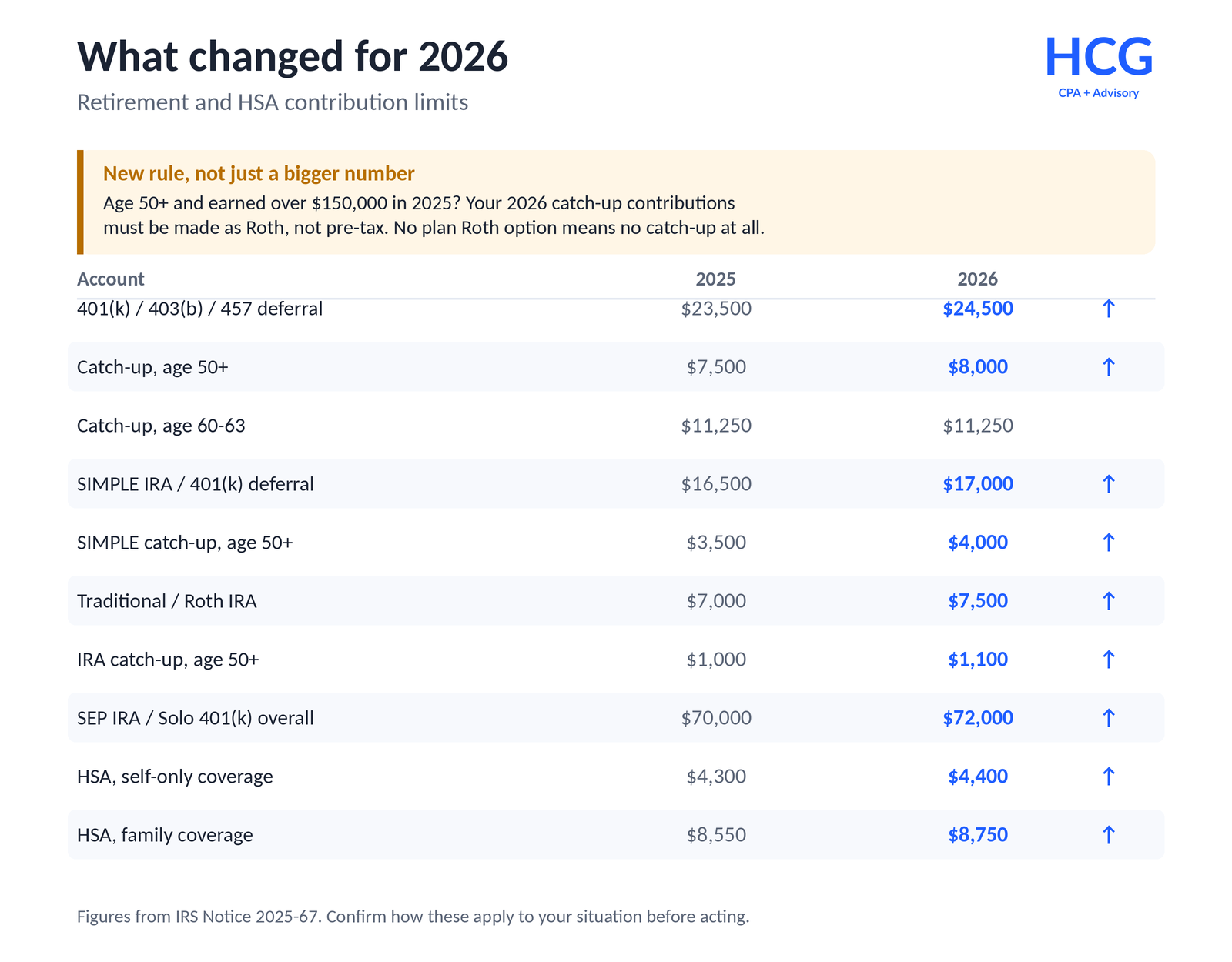
A new Roth rule now applies to retirement catch-up contributions for high earners. Here's why March is too late to plan around it. (147 characters, fits mobile and desktop search results)
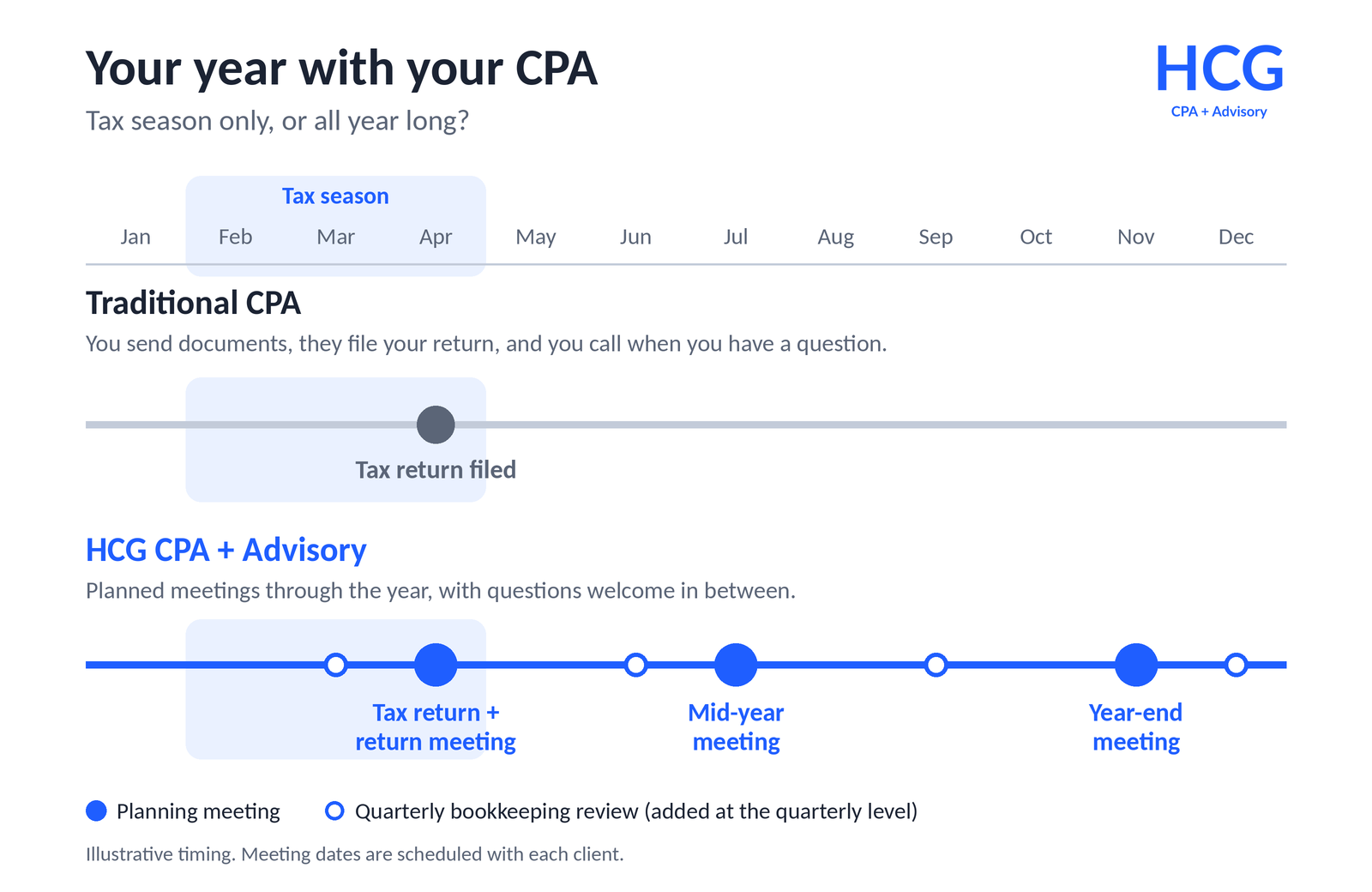
Does your CPA only call at tax time? Seven questions that show what advisory accounting is and what you may be missing. Fort Wayne CPA advisory.

Practical guidance for business owners on tax planning, business structure, cash flow, retirement strategies, and proactive financial decisions.

From a closet office to an advisory-focused CPA firm, see how our firm is evolving to help Indiana business owners plan ahead and make better decisions
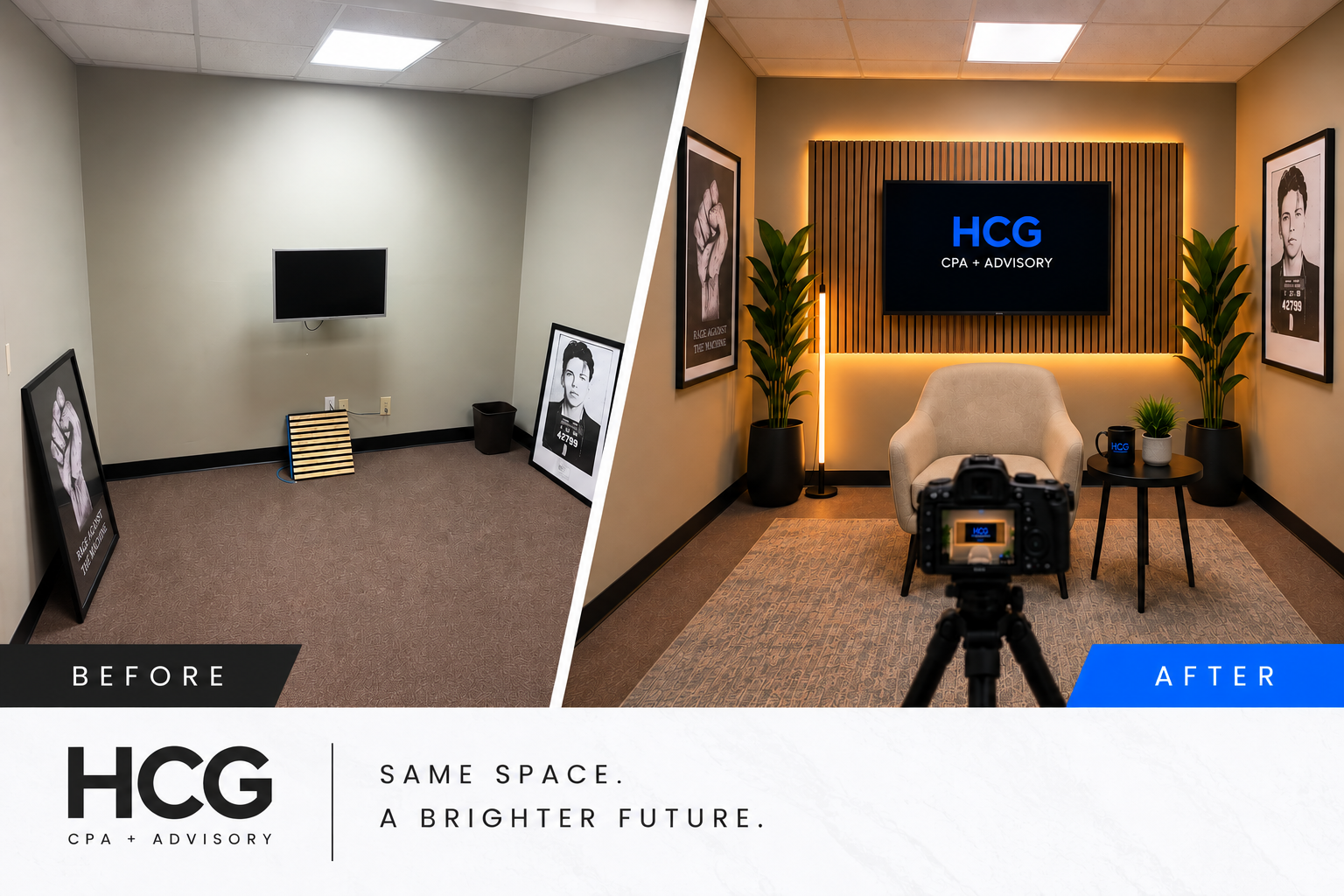
Why is a CPA firm building a studio? See how HCG CPA + Advisory is creating a better way to share timely, useful information with business owners year-round.
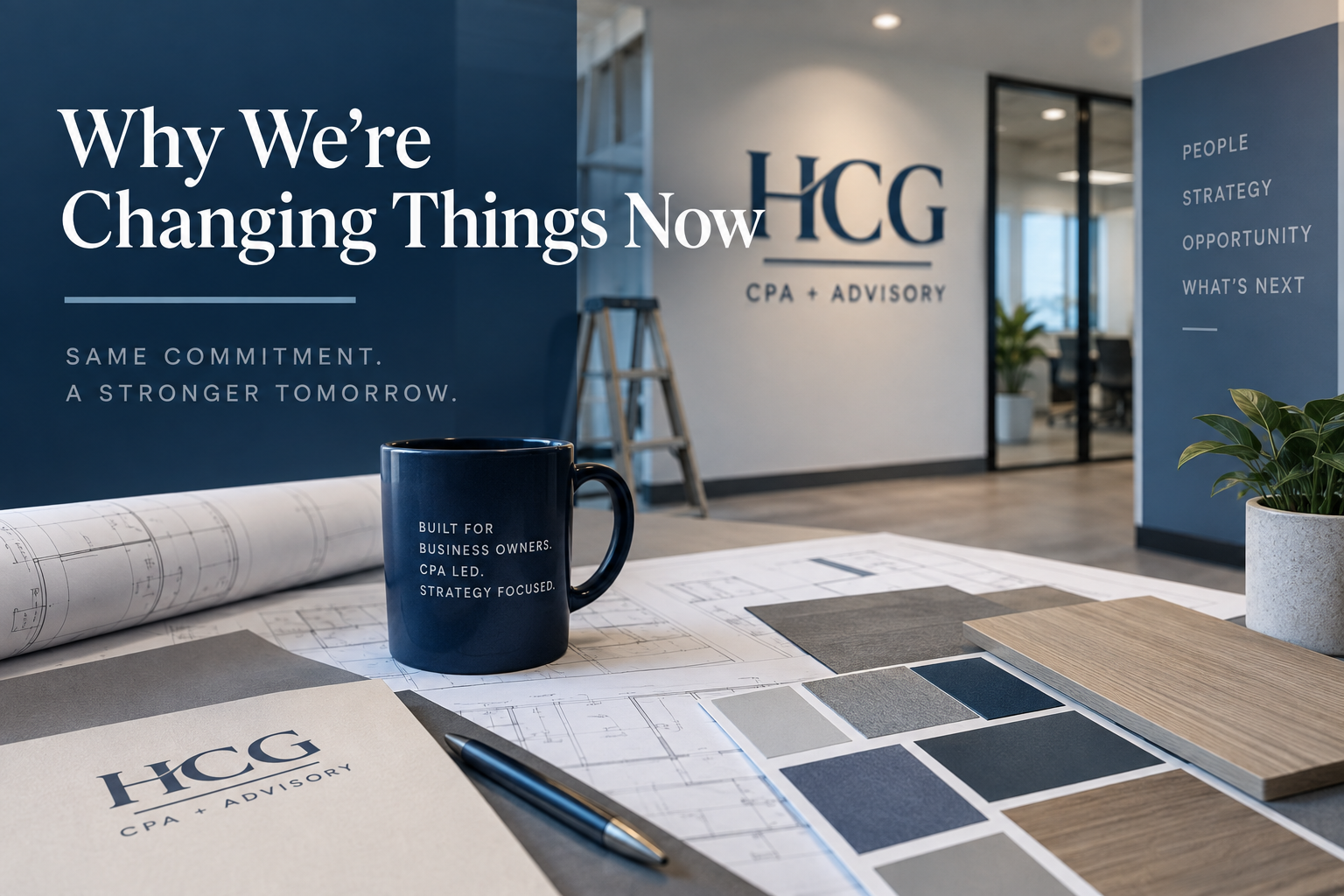
HCG CPA + Advisory is evolving. Learn why we’re updating our brand and office now—and how the changes reflect a more proactive approach for business owners.

From one client and no employees to a growing team, we share what building a CPA firm taught us about leadership, growth, and letting go.
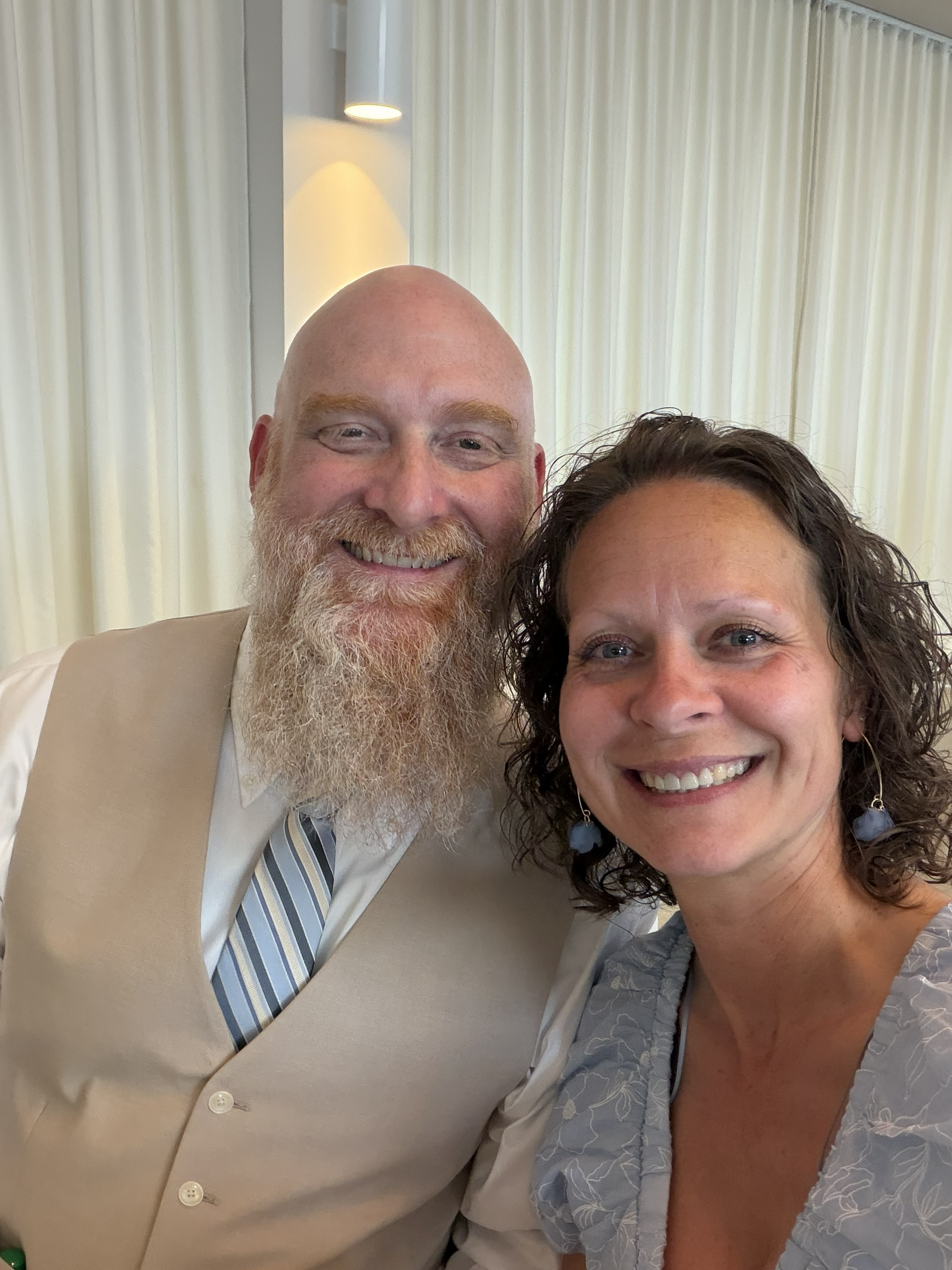
Being a family-owned CPA firm shapes how HCG CPA + Advisory approaches independence, accountability, long-term thinking, and serving business owners.

In my last post, I talked about starting this firm from the back of a closet with one client, a makeshift desk, and an old power strip. But I didn’t start a CPA firm because I had always dreamed of owning a CPA firm. I started it because the traditional model didn’t make sense to me — especially after starting a small side business of my own and seeing things from the business owner’s side. Clients would send information into a black hole and wonder when they would hear back. Business owners would meet with their accountant after the year was already over, when most of the opportunities to actually change the outcome were gone. Large firms often reserved their best advice and attention for their largest clients, even though smaller business owners arguably needed that guidance more. Tax returns became the service instead of what I believed they should be: the end result of conversations happening throughout the year. And too often, the accountant knew the numbers but didn’t really know the business. None of that made sense to me. I thought a CPA firm could be more than the place you send documents once a year. I thought we could help business owners make better decisions before those decisions showed up on a tax return. That idea became the foundation of the firm. Pricing was another problem. At the first firm I worked for, we had “dynamic” pricing. In practice, that could mean charging a client more after a good year to supposedly make up for years when their bill had been discounted. Other clients might go an incredibly long time without receiving a bill, only to suddenly get hit with a huge invoice. As someone trying to run a business myself, I couldn’t understand that. How could a business owner budget for a professional relationship without knowing what it was going to cost? The traditional model was built around billing for time, yet employees were constantly being told to work faster. That created the wrong incentives. The focus became completing the deliverable efficiently instead of asking what else the client needed to know. Payroll could become an afterthought. Bookkeeping could become work used to fill the slower months. Questions about a client’s history could be viewed as time taking away from the task at hand. The system rewarded completing work. I wanted a system that rewarded helping the client. So when I started the firm in 2017, the concept was pretty simple. Find out what the client actually needs. Agree on the scope. Give them a predictable monthly price. Review that relationship every 9–12 months and adjust when their needs change. And most importantly, don’t disappear between tax returns. From the beginning, I wanted the relationship to include tax return preparation, mid-year tax planning, year-end planning, and responsive communication throughout the year. At the time, proactive planning and upfront pricing were far less common in the small-business CPA market. A business owner getting a call that said, “Let’s meet in July and see how the first half of the year went,” was not the experience many owners expected from their accountant. But it made perfect sense to me. If we waited until tax season to have that conversation, we weren’t planning anymore. We were reporting history. The response was great — once I could get business owners to give a new firm a chance. Over time, that simple concept grew into something much bigger. People smarter than me helped develop it into what the profession now broadly calls advisory, with a much wider scope and greater ambition than what I originally envisioned. But the underlying idea hasn’t changed. Business owners deserve to know what they’re paying. They deserve honest advice, even when the answer isn’t what they expected. They deserve regular conversations about what is happening in their business and what is coming next. And they deserve a CPA who understands that the goal isn’t simply to produce an accurate tax return. The goal is to help them make better decisions before we get there. That’s why I started the firm. Transparent pricing. Honest advice. Regular conversations. Built for Business Owners. CPA Led. Strategy Focused.

An old power strip from my beginning became an unexpected reminder of how easy it is for business owners to overlook how far they’ve come.

Our family-owned CPA firm started with almost no clients, no employees, and a closet for an office. Here’s why we started—and what hasn’t changed.
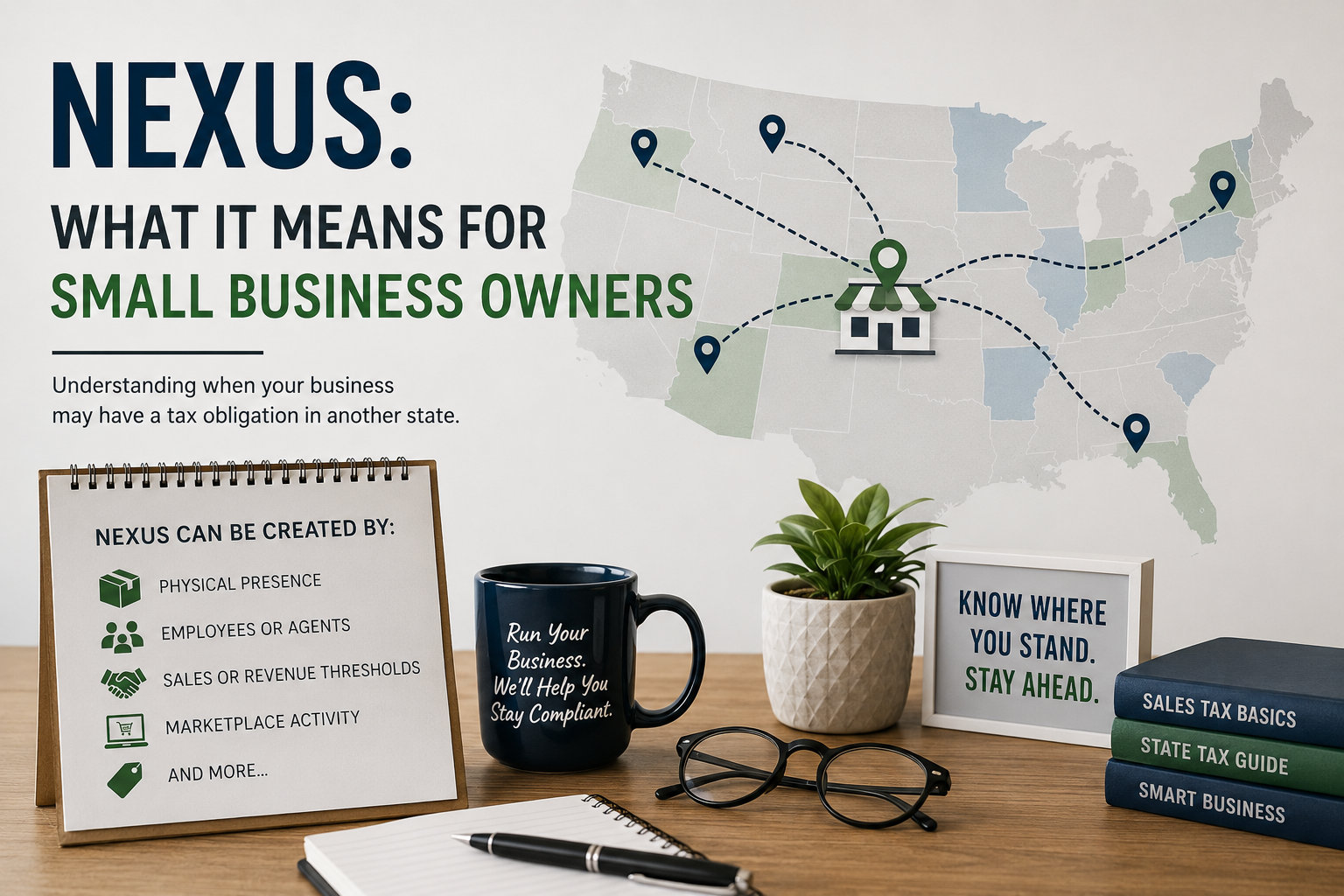
Tax nexus can create state tax filing obligations long before business owners realize it. Learn how nexus works, why it matters, and the common mistakes that lead to unexpected tax bills.

Golf tour operators often create tax obligations in multiple states without realizing it. Learn the key multi-state filing risks, nexus rules, and tax planning strategies every tour operator should know.

Golf course owners may be sitting on significant missed tax deductions. Learn how a cost segregation study can help recover prior-year depreciation and improve cash flow without amending past returns.
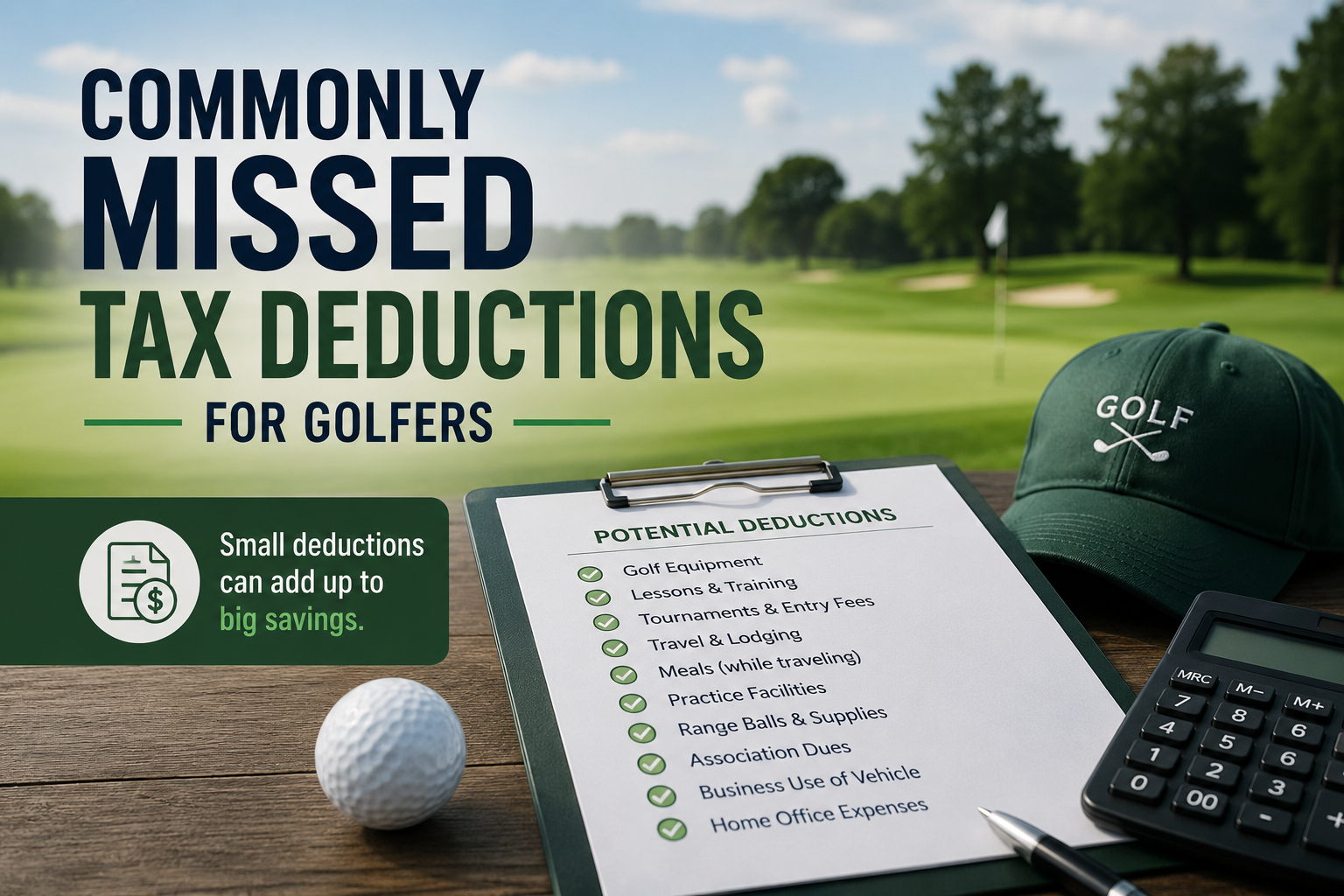
Many golf courses leave valuable tax deductions on the table every year. Learn the most commonly missed tax-saving opportunities and proactive planning strategies for golf course owners.

Golf courses rely on a network of vendors, tour operators, pro shops, and service providers. Learn why tracking margins is critical for profitability and long-term growth.

Discover how golf courses can use data analytics, technology, and modern management tools to improve profitability, increase member engagement, and make better business decisions.

Learn what restaurant prime cost is, how to calculate it, ideal target ranges, and why monitoring it is critical to restaurant profitability and long-term success.
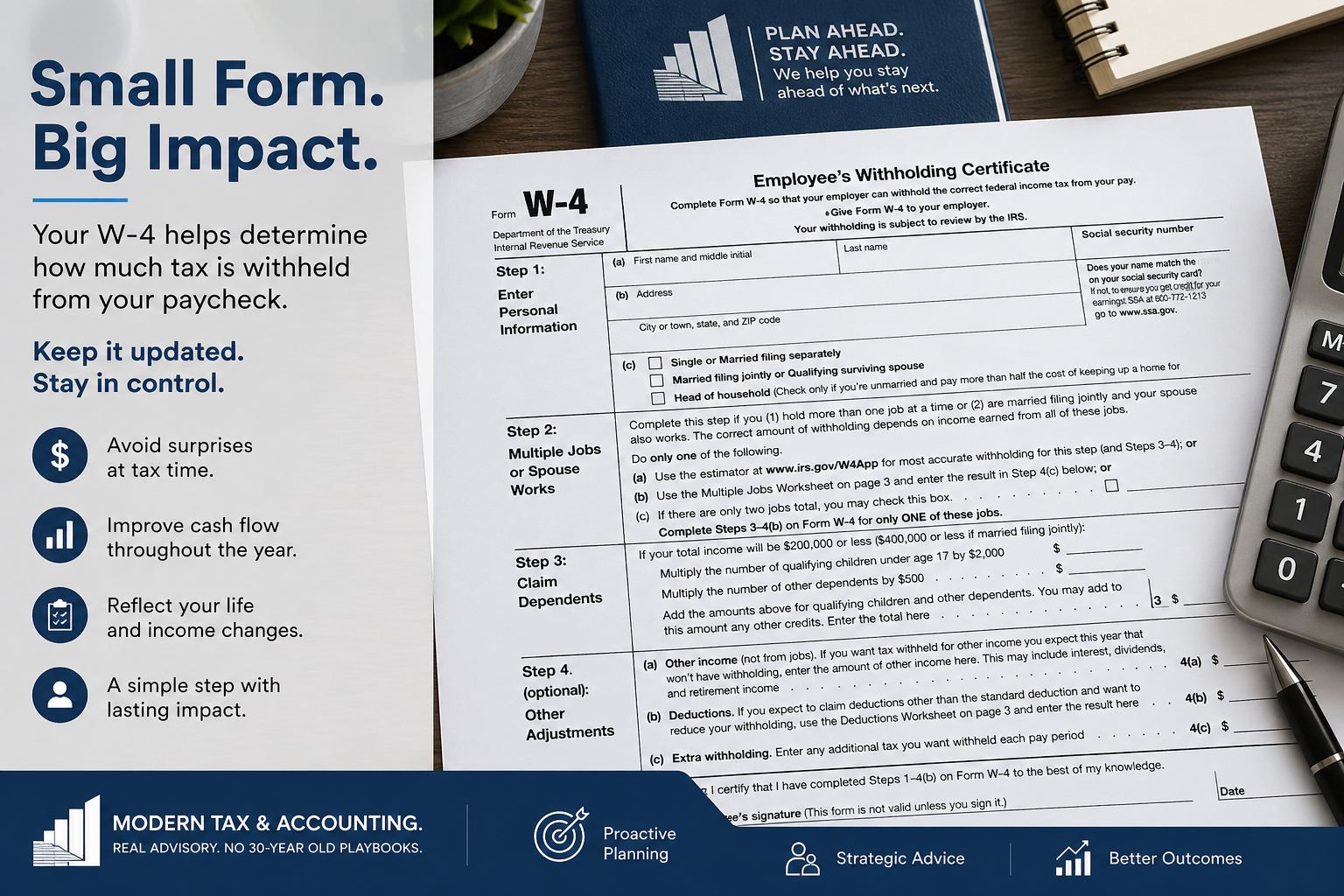
Not sure if your paycheck withholding is right? Learn why updating your W-4 matters, when to do it, and how to fill it out correctly to avoid surprises at tax time.
Accurate bookkeeping isn’t just about clean records — it drives better tax strategy, cash flow, and decisions. Learn why your CPA should be part of the process.

Your tax return shows what happened last year — not what to do next. Learn what’s missing and how proactive tax planning helps business owners reduce taxes and build wealth.

Planning to sell your business someday? That’s not a strategy. Fort Wayne business owners need a real succession plan to protect value and reduce taxes.

Most Fort Wayne CPAs don’t talk about tax planning—and it costs business owners thousands. Here’s why, and what to do instead.

Tax season is over—but smart Fort Wayne business owners know the real work starts now. Here’s what to do after filing to reduce taxes and stay ahead.

Learn how Fort Wayne and Huntington business owners can combine cost segregation and S-Corp strategies to reduce taxes and improve cash flow.

Is cost segregation worth it for Huntington, Indiana rental property owners? Learn when it makes sense, potential tax savings, and key mistakes to avoid.

Learn how cost segregation in Fort Wayne can accelerate depreciation, reduce taxes, and improve cash flow for real estate owners and business investors.

Exit planning for Indiana business owners should start years before selling. Learn how Fort Wayne CPAs help maximize value and minimize taxes.

Wondering what your business is worth in Fort Wayne or Huntington? Learn valuation methods and how to increase your value before selling.

Planning on selling your business in Fort Wayne? Learn proactive tax strategies to reduce capital gains and keep more of your sale proceeds.

Asset vs stock sale in Indiana can drastically impact your taxes. Learn how Fort Wayne business owners should structure their deal before selling.
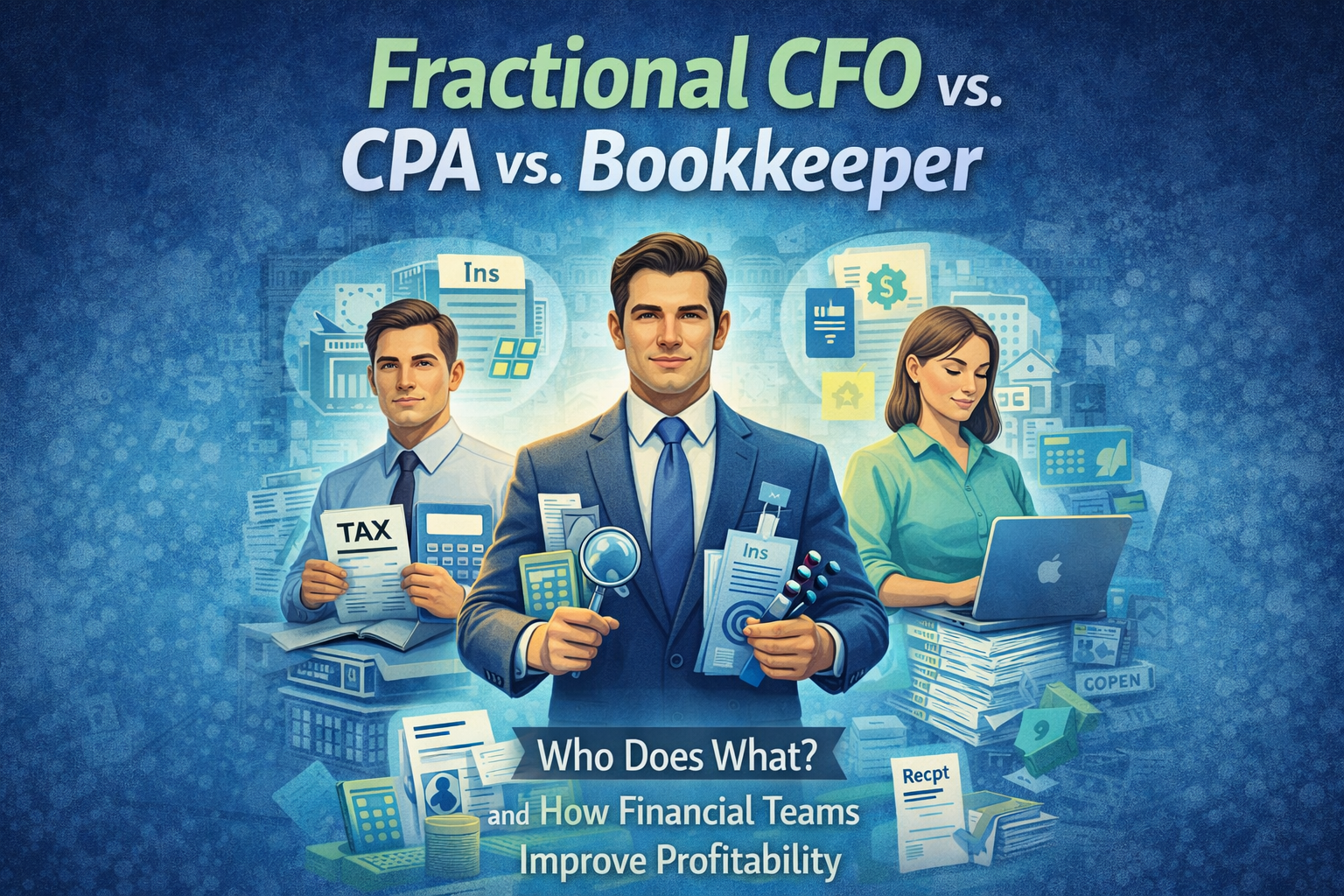
Confused about the difference between a Fractional CFO, CPA, and bookkeeper? Learn who does what—and how the right financial team can improve profitability, cash flow, and tax strategy.

Not sure if you need a Fractional CFO? Discover 7 key financial warning signs—from cash flow issues to surprise tax bills—that indicate it’s time to bring in strategic financial leadership
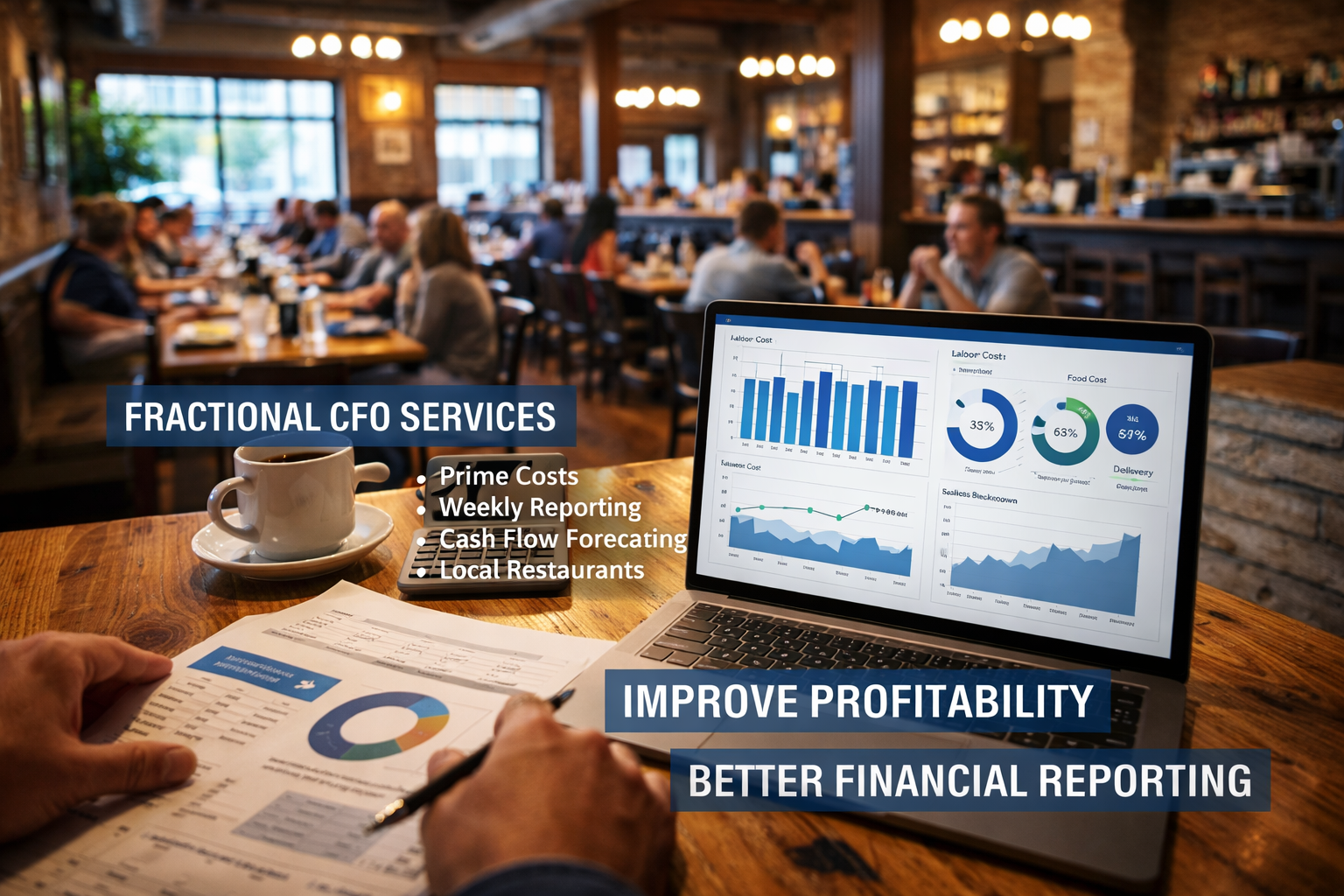
Struggling with restaurant profits? Discover how Huntington, IN restaurants use fractional CFO services and better financial reporting to boost margins and cash flow.
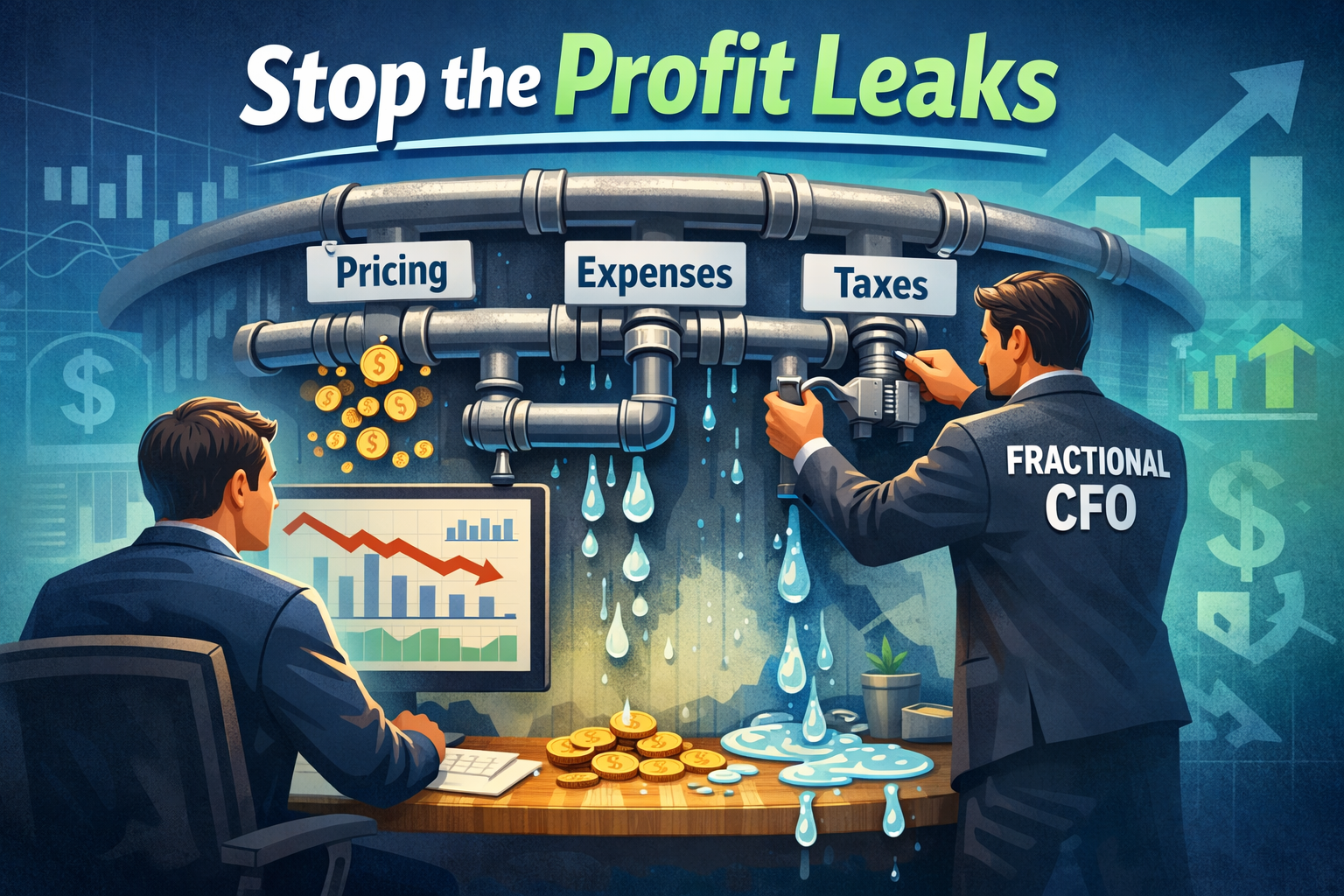
Discover the 5 hidden profit leaks a Fractional CFO can uncover in the first 90 days. Learn how to improve cash flow, increase margins, and reduce tax liability with strategic financial insights

Fractional CFO vs bookkeeper explained for Northeast Indiana businesses. Compare services, costs, and when to hire a CFO in Fort Wayne
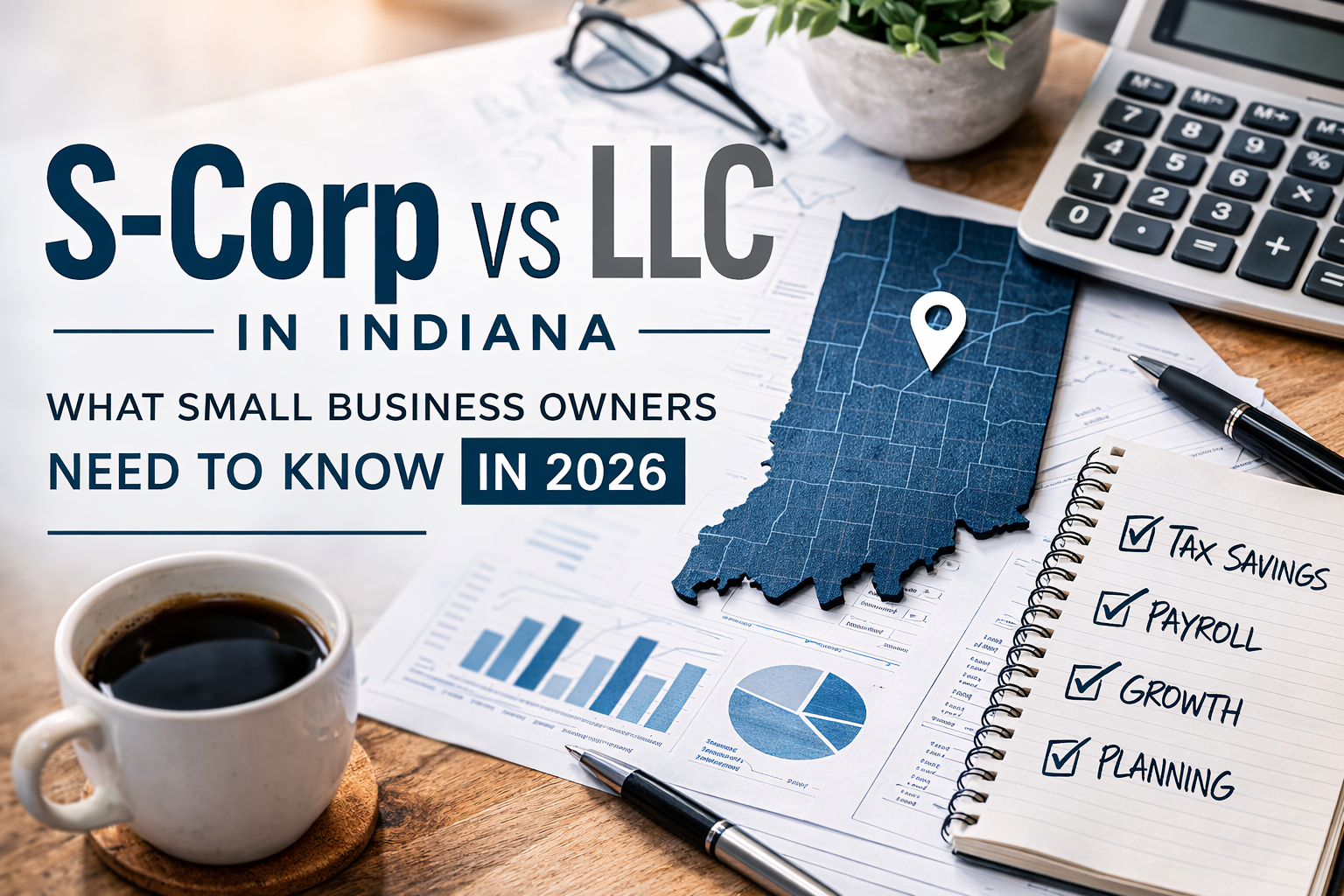
S-Corp vs LLC in Indiana: Learn when an S-Corp election can reduce taxes for small business owners and how to choose the right structure in 2026.
Fort Wayne business owners: learn the difference between CPAs and Enrolled Agents and why licensed tax professionals are essential for proactive tax planning.

Serious business owners trust licensed professionals. Learn why working with Fort Wayne CPAs or Enrolled Agents helps reduce tax risk and improve planning.
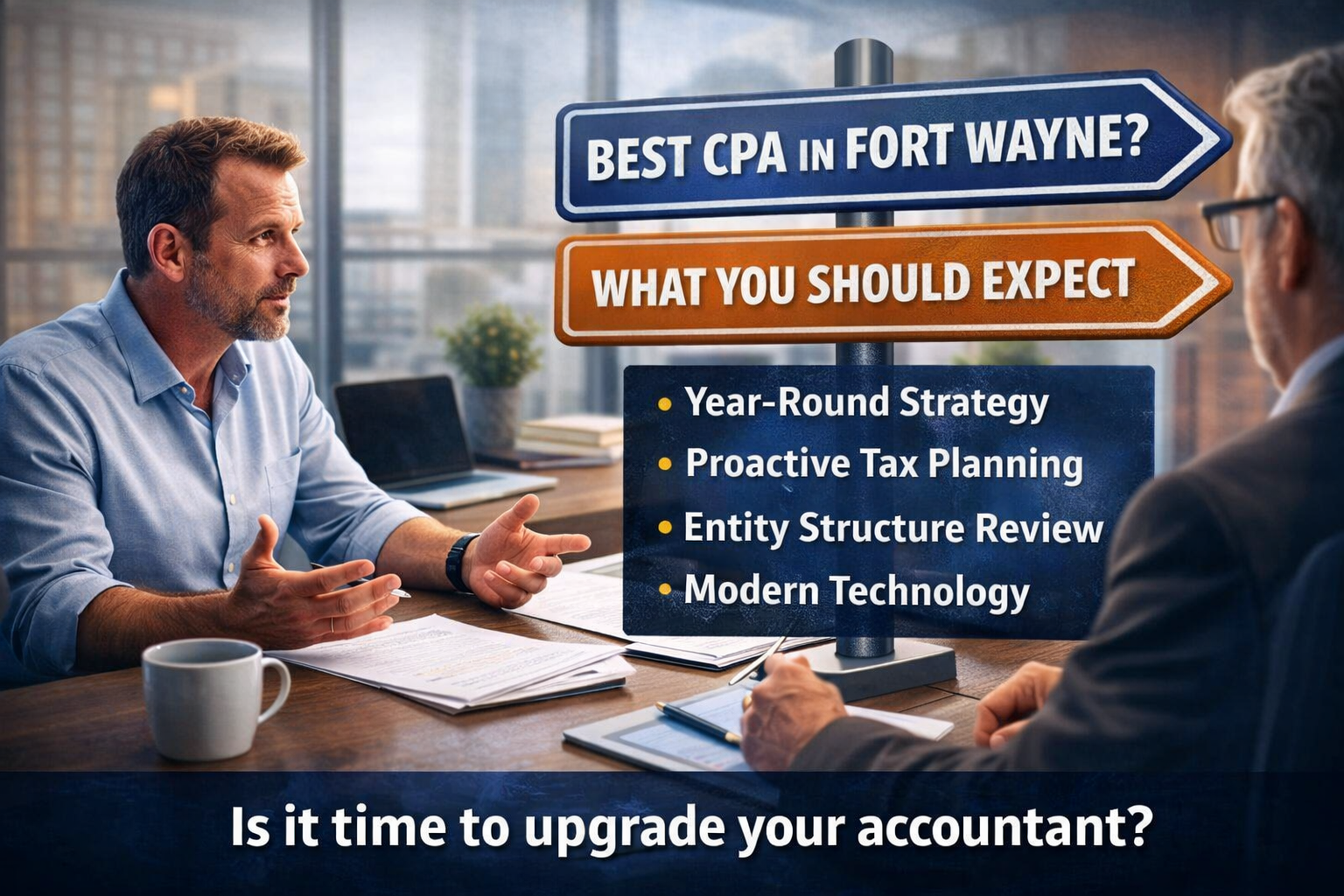
Looking for a proactive CPA in Fort Wayne? Learn what real tax planning and advisory should look like for Northeast Indiana businesses.

Is it time to change CPAs? Fort Wayne and Northeast Indiana business owners should know these 7 signs before another tax season passes.
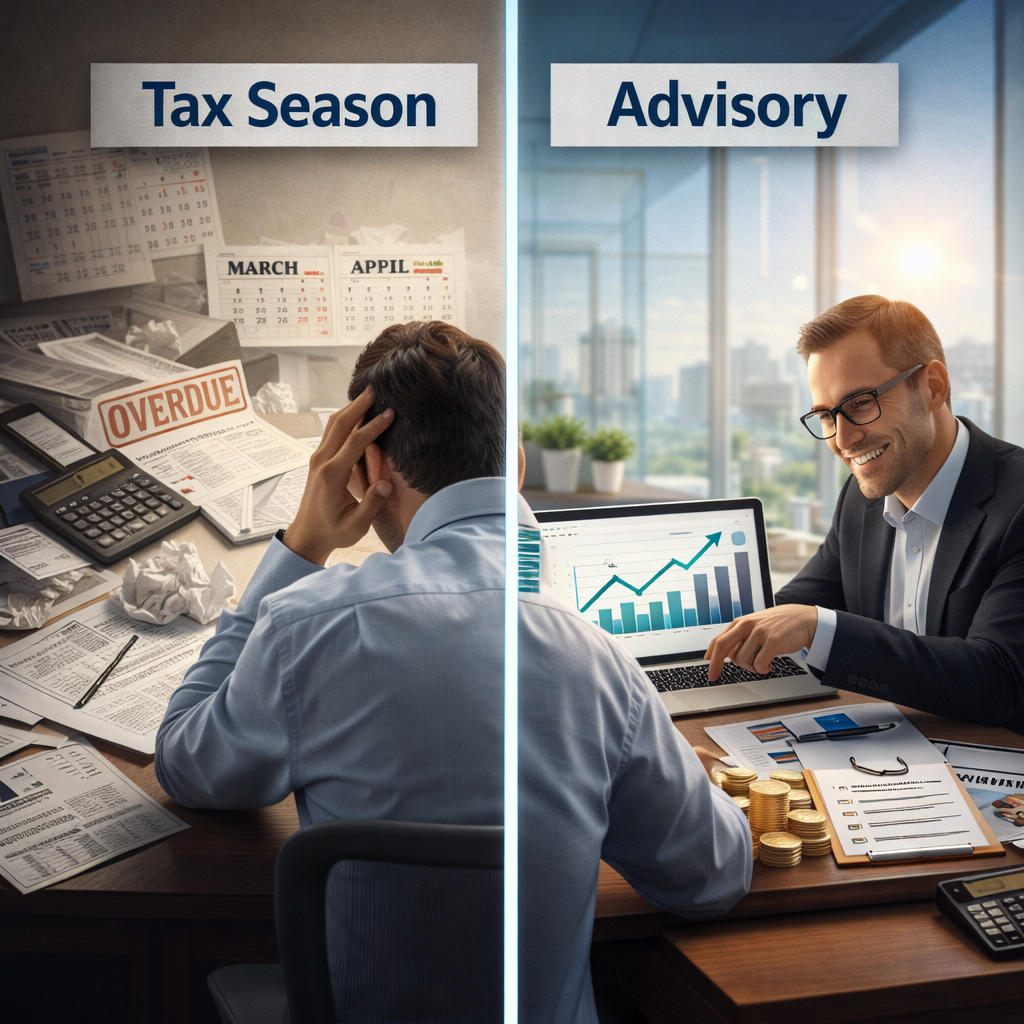
If your CPA only talks to you during tax season, you’re missing proactive strategy. Learn how CPA advisory services help small businesses plan ahead.

A tax return reports the past. Smart small business tax planning prepares for what’s next. Learn how proactive advisory reduces surprises and improves cash flow.