What Family Owned Means to Us


Michael Hunsche • September 10, 2026

Share this article

As Hunsche CPA Group transitions to HCG CPA + Advisory, we have spent a lot of time thinking about what should change and, just as importantly, what should not. Our new name better reflects the firm we are today and the direction we are headed, particularly our focus on helping business owners think ahead rather than simply reporting on what has already happened. But underneath the new name is something that has always been an important part of who we are: we are a family-owned business.


That phrase can sound like a description of ownership structure, and it is, but to us it means considerably more. Being family owned shapes how we make decisions, how we think about our clients and employees, and how we view the responsibility that comes with owning a business. We know firsthand that a business is rarely just a financial asset on a balance sheet. It supports employees, families, customers, vendors, and communities, while often representing years or even generations of an owner's work.


That perspective influences the kind of CPA firm we want HCG CPA + Advisory to be.


Independence Gives Us the Ability to Think Long Term


One of the things we value most about remaining family owned is independence. We have the ability to make decisions based on what we believe is right for our clients, our employees, and the long-term direction of the firm. We are not building around the expectations of outside investors or trying to fit every client into a model created somewhere else. We can decide what services to develop, where to invest our resources, and what kind of client experience we want to provide.


That independence is especially important as the accounting profession changes. Firms are getting larger, ownership models are changing, and technology continues to reshape how traditional accounting work gets done. We believe those changes make the relationship between a business owner and their CPA more important, not less important. The value of that relationship increasingly comes from understanding the business, recognizing what may be coming next, and helping the owner make better decisions before the opportunity to act has passed.


Our transition to HCG CPA + Advisory is part of that long-term thinking. We want to continue developing a firm where tax preparation and compliance are important foundations of the relationship, but they are not the end of it. For the business owners we serve, the more valuable conversations often happen throughout the year when there is still time to make a decision, adjust a strategy, or prevent a problem.


Accountability Feels Different When You Own the Business


There is also a level of accountability that comes with putting your own name, reputation, and resources behind a business. Most of the business owners we work with understand that feeling immediately. When you own the company, there is no distant corporate office ultimately responsible for what happens. You are responsible for the employees who expect to be paid, the customers who depend on you, the commitments you have made, and the decisions that determine where the company goes next.


We experience that same responsibility in our own firm, and it affects the way we advise clients. We know that a recommendation on entity structure, taxes, compensation, retirement planning, or cash flow is not simply an academic exercise. Those decisions can have a meaningful impact on the business and on the family behind it. That is why we believe good advice requires more than producing technically correct work. It requires understanding the owner, the business, and what they are trying to accomplish.


It also means being willing to raise issues before they become urgent. Sometimes the most valuable conversation with a CPA is not the one a business owner expected to have. It may be pointing out that an entity structure no longer fits the size of the business, that a tax strategy should be addressed before year-end, or that a growing company needs better financial information before making its next major investment. Those conversations are part of the accountability we believe comes with being an advisor.


We Understand the Weight Behind Business Decisions


One of the things business ownership teaches you is that financial decisions rarely affect only the owner. A decision to hire another employee, purchase equipment, expand into a new market, take on debt, increase compensation, or make a large tax payment can ripple through the entire business. Even a company that looks successful on paper can create significant stress for its owner if cash flow, taxes, and growth are not being managed intentionally.


That is one reason we try to look beyond the immediate question when working with clients. A business owner may ask whether purchasing equipment will reduce this year's taxes, but the larger conversation may be whether the purchase makes sense for the business and its cash position. An owner may ask whether an S Corporation could reduce taxes, but the better discussion includes payroll, reasonable compensation, administrative requirements, future growth, and how money is moving between the owner and the company.


Tax planning for business owners works best when it is connected to the business itself. The objective should not simply be to find a tax deduction. It should be to make decisions that make sense today without creating unnecessary problems tomorrow.


Family Ownership Naturally Makes Us Think About What Comes Next


Running a family-owned firm also encourages us to think in longer time horizons. We are making decisions today that we expect to live with years from now, and many of our clients are doing exactly the same thing in their businesses.


For some owners, the goal is aggressive growth. For others, it is creating a business that provides a good living and more control over their time. Some are building something they hope their children will eventually own, while others are thinking about selling the company and turning years of business value into financial security for their family. There is no single definition of success for a business owner, which is why there should not be a single financial strategy for every business.


Understanding where an owner ultimately wants to go changes the conversations we should be having today. Entity structure, retirement plans, owner compensation, cash reserves, tax planning, succession, and even the quality of the company's financial records can become much more important when viewed through a five- or ten-year lens instead of only through the next filing deadline.


That is the perspective we want to bring to our client relationships. We certainly need to help clients handle what is required today, but we also want to help them recognize what may matter tomorrow.


We Treat the Firm’s Money Like Business Owners


Being family owned also affects some of the smaller decisions we make every day, including decisions that might not seem significant from the outside. We regularly look at the memberships we pay for, the organizations we support, and the events we attend and ask whether they are actually worth the time and money we are putting into them. Did we build relationships that matter? Did we learn something useful? Are we supporting an organization that is important to our clients, our team, or the business community? Is there a reason to continue investing in it next year? We do not assume that an expense is worthwhile simply because we have always paid it or because it is considered part of doing business.


That may sound like a small example, but we think it says something important about being family owned. When the dollars ultimately belong to you, expenses do not become abstract just because they run through a business. A $500 membership is still $500. A few hours spent at an event are still a few hours that could have been spent somewhere else. Multiply those decisions across an entire year and they matter. We have to decide where our resources will produce the most value, just like every other business owner does.


That experience also influences how we talk with clients about their businesses. We understand why an owner questions an expense that might look insignificant to someone on the outside, or why increasing overhead by a few thousand dollars deserves a real conversation. We know that revenue does not automatically translate into money the owner gets to take home, and that every dollar going out the door has to come from somewhere.


There are times when the right decision is absolutely to spend more, invest in people, join an organization, attend an event, or try something new. But we believe those decisions should be intentional. We think about our own business that way because it is our family's business, and we bring that same respect for every dollar to the businesses we advise.


A New Name, With the Same Sense of Responsibility


The transition from Hunsche CPA Group to HCG CPA + Advisory is intended to make our name better reflect the firm we are continuing to build. “Advisory” is important because we believe the best CPA relationships are proactive. They should help business owners anticipate decisions, understand their options, and address issues while there is still time to do something about them.


Being family owned is an important part of that philosophy because we understand the responsibility our clients carry. We know what it means to make payroll, invest in employees, make decisions without knowing exactly how they will turn out, and think about a business not only in terms of this year's results but in terms of what it can become.


Our clients have built businesses that support their families and the families of the people who work for them. Being invited into those businesses as a trusted advisor is a responsibility we take seriously.


Our name is changing to HCG CPA + Advisory, but that responsibility is not.


Built for Business Owners. CPA Led. Strategy Focused.


If you are looking for a CPA relationship that goes beyond tax preparation and focuses on where your business is headed, HCG CPA + Advisory works with business owners to think ahead about taxes, structure, cash flow, and the financial decisions that shape the future of the business.

View More of Our Most Recent Posts

By Michael Hunsche August 18, 2026
In my last post, I talked about starting this firm from the back of a closet with one client, a makeshift desk, and an old power strip. But I didn’t start a CPA firm because I had always dreamed of owning a CPA firm. I started it because the traditional model didn’t make sense to me — especially after starting a small side business of my own and seeing things from the business owner’s side. Clients would send information into a black hole and wonder when they would hear back. Business owners would meet with their accountant after the year was already over, when most of the opportunities to actually change the outcome were gone. Large firms often reserved their best advice and attention for their largest clients, even though smaller business owners arguably needed that guidance more. Tax returns became the service instead of what I believed they should be: the end result of conversations happening throughout the year. And too often, the accountant knew the numbers but didn’t really know the business. None of that made sense to me. I thought a CPA firm could be more than the place you send documents once a year. I thought we could help business owners make better decisions before those decisions showed up on a tax return. That idea became the foundation of the firm. Pricing was another problem. At the first firm I worked for, we had “dynamic” pricing. In practice, that could mean charging a client more after a good year to supposedly make up for years when their bill had been discounted. Other clients might go an incredibly long time without receiving a bill, only to suddenly get hit with a huge invoice. As someone trying to run a business myself, I couldn’t understand that. How could a business owner budget for a professional relationship without knowing what it was going to cost? The traditional model was built around billing for time, yet employees were constantly being told to work faster. That created the wrong incentives. The focus became completing the deliverable efficiently instead of asking what else the client needed to know. Payroll could become an afterthought. Bookkeeping could become work used to fill the slower months. Questions about a client’s history could be viewed as time taking away from the task at hand. The system rewarded completing work. I wanted a system that rewarded helping the client. So when I started the firm in 2017, the concept was pretty simple. Find out what the client actually needs. Agree on the scope. Give them a predictable monthly price. Review that relationship every 9–12 months and adjust when their needs change. And most importantly, don’t disappear between tax returns. From the beginning, I wanted the relationship to include tax return preparation, mid-year tax planning, year-end planning, and responsive communication throughout the year. At the time, proactive planning and upfront pricing were far less common in the small-business CPA market. A business owner getting a call that said, “Let’s meet in July and see how the first half of the year went,” was not the experience many owners expected from their accountant. But it made perfect sense to me. If we waited until tax season to have that conversation, we weren’t planning anymore. We were reporting history. The response was great — once I could get business owners to give a new firm a chance. Over time, that simple concept grew into something much bigger. People smarter than me helped develop it into what the profession now broadly calls advisory, with a much wider scope and greater ambition than what I originally envisioned. But the underlying idea hasn’t changed. Business owners deserve to know what they’re paying. They deserve honest advice, even when the answer isn’t what they expected. They deserve regular conversations about what is happening in their business and what is coming next. And they deserve a CPA who understands that the goal isn’t simply to produce an accurate tax return. The goal is to help them make better decisions before we get there. That’s why I started the firm. Transparent pricing. Honest advice. Regular conversations.  Built for Business Owners. CPA Led. Strategy Focused.
By Michael Hunsche August 14, 2026
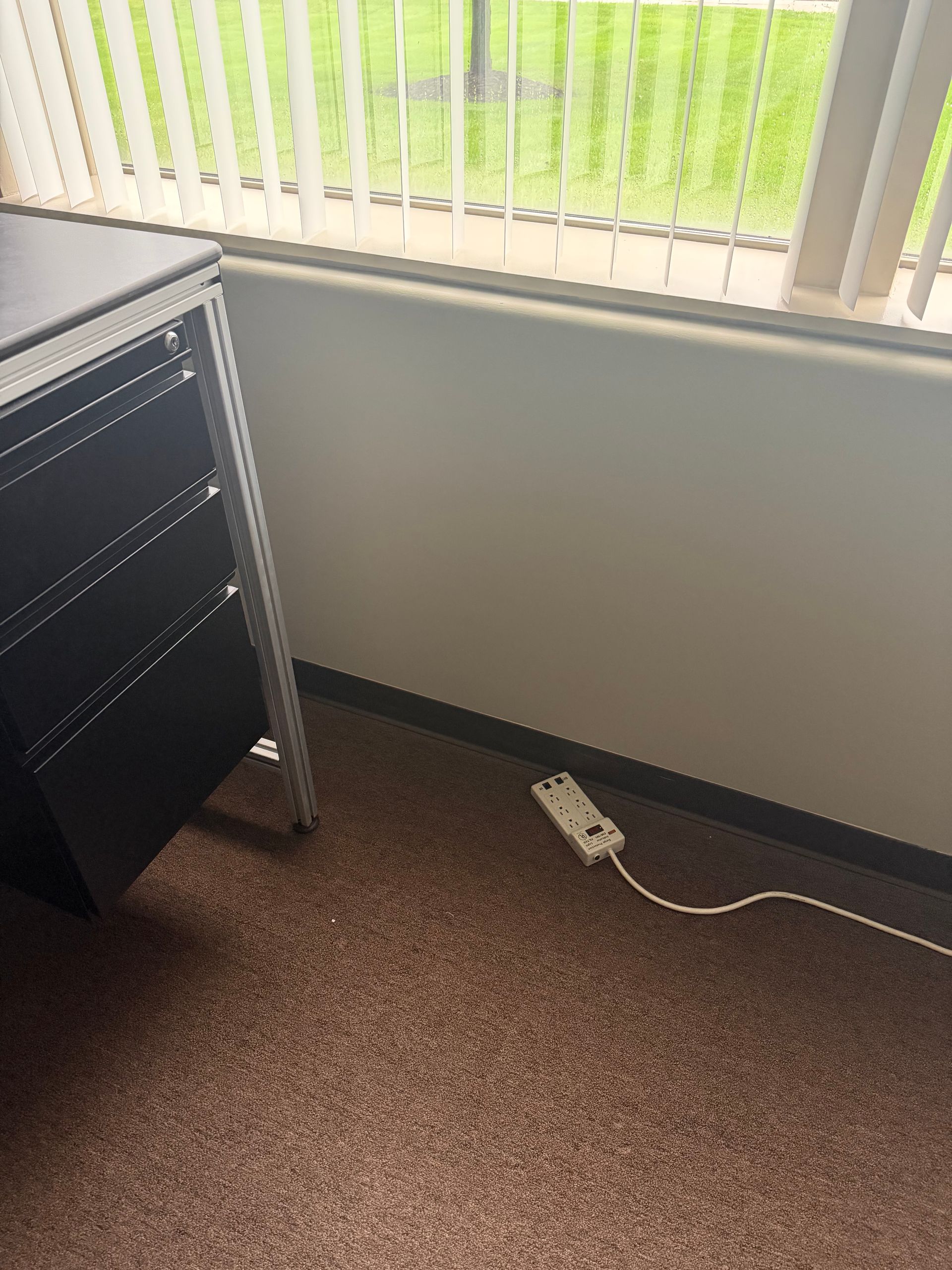
An old power strip from my beginning became an unexpected reminder of how easy it is for business owners to overlook how far they’ve come.
By Michael Hunsche August 11, 2026
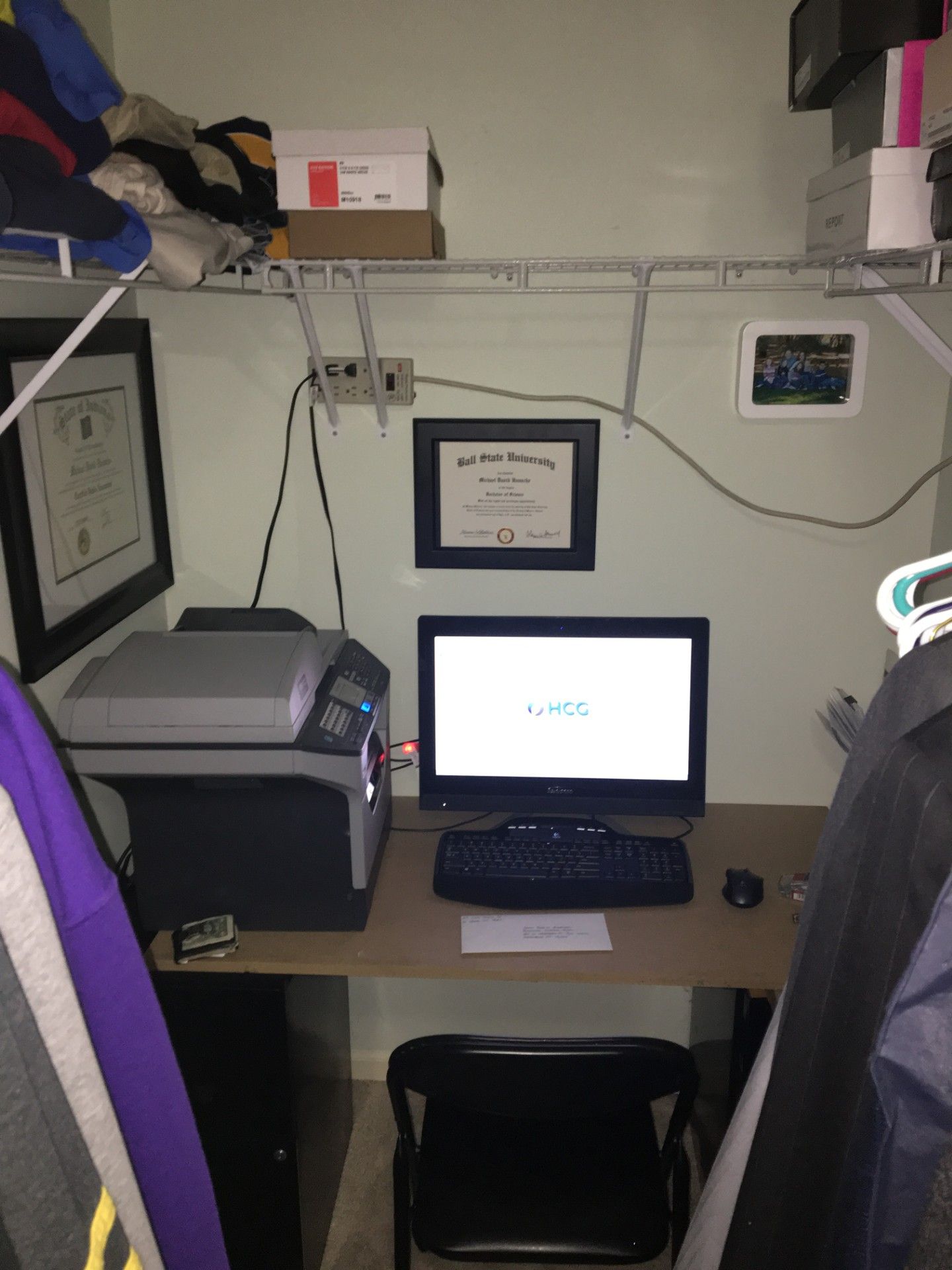
Our family-owned CPA firm started with almost no clients, no employees, and a closet for an office. Here’s why we started—and what hasn’t changed.