Over the last several posts, we’ve spent some time talking about our firm—where we started, how we’ve grown, and why we are becoming more focused on advisory relationships with business owners. Those changes matter because they shape how we serve our clients, but ultimately, this next chapter isn’t really about us.
It’s about the business owners we work with and the decisions they have to make every day.
Running a business creates no shortage of questions. Some are immediate, like whether there is enough cash to make a new hire or purchase equipment. Others have much longer-term consequences. Should you change your business structure? Are you taking advantage of the tax strategies available to you? Are you saving enough outside the business for retirement? Is the business actually producing the cash flow it should?
Too often, those questions only get attention when something forces the conversation. Tax planning happens when the year is almost over. Cash flow becomes a priority when the bank account gets uncomfortable. Business structure gets reviewed after the company has already outgrown the structure that once made sense. Retirement planning gets pushed aside because there is always another place to put money back into the business.
We think there is a better way to approach these decisions.
That is why one of the things we are building next isn’t a new service or another change to the office. It is a library of practical educational content designed around the financial questions business owners are actually asking.
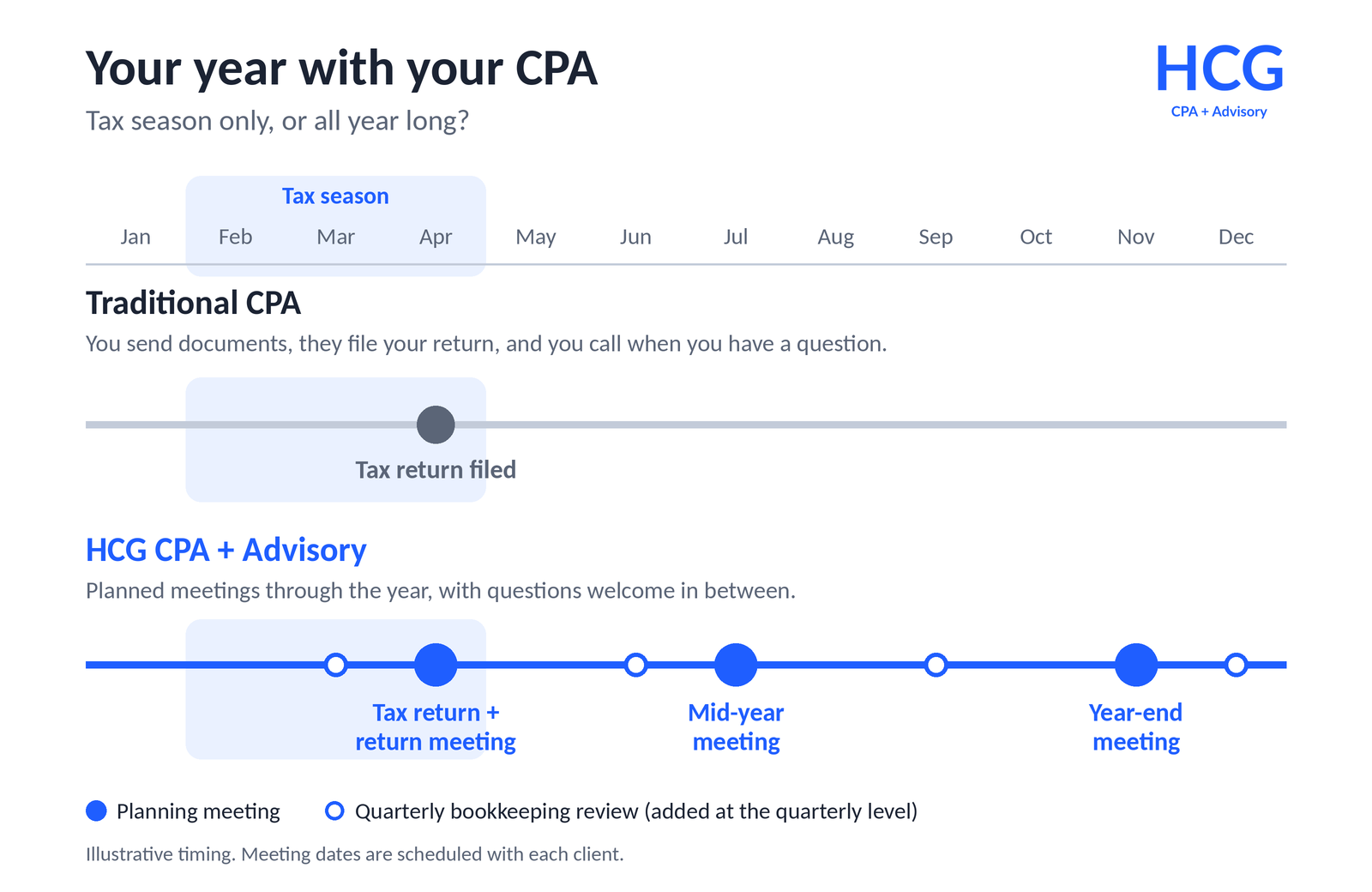
We’ll be spending more time talking about proactive tax planning—not simply what deductions are available when it is time to prepare a return, but the decisions that can be made throughout the year to manage taxes more intentionally. For many business owners, some of the most valuable tax planning opportunities require action well before the tax return is prepared.
We’ll also dig into business structure and how it changes as a company grows. An LLC, S corporation, partnership, or other structure isn’t simply a box you check when starting a business. The right structure can depend on profitability, payroll, ownership, future growth, and the owner’s personal financial situation. What worked when the business was getting started may not always be the best fit several years later.
Cash flow will be another major focus because profitability and cash are not the same thing. A business can look successful on a profit and loss statement while the owner is still wondering where all the money went. Understanding how cash moves through the business can lead to better decisions about hiring, debt, equipment purchases, owner distributions, taxes, and growth.
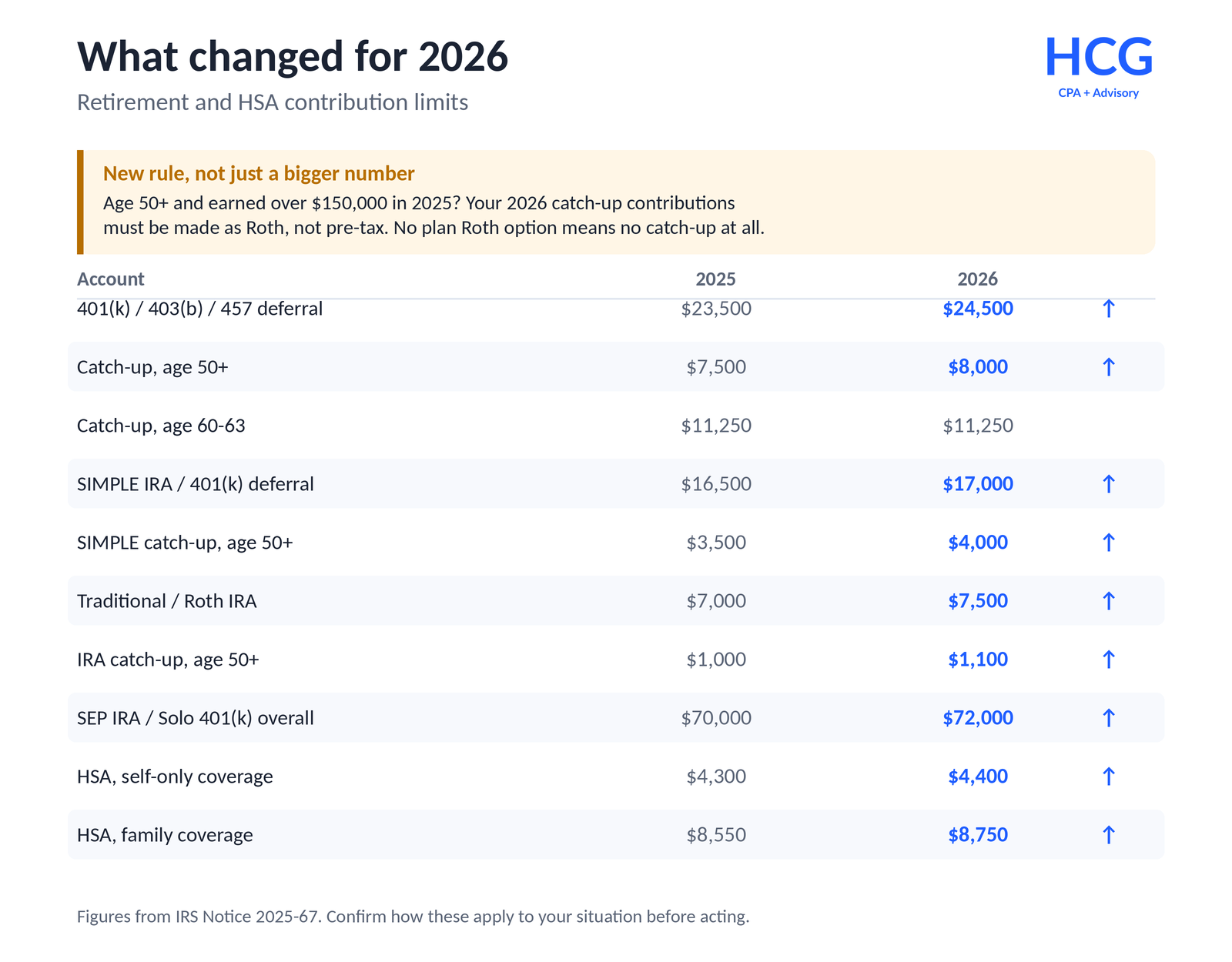
We’ll also talk more about retirement strategies for business owners. When you own the company, retirement planning can look very different from simply contributing to an employer-sponsored plan. There may be opportunities to design retirement strategies that help build personal wealth, provide benefits to employees, and create meaningful tax advantages. The right strategy depends on the business and the owner’s goals, which is exactly why these conversations are worth having before year-end.
Most importantly, we’ll continue connecting these topics instead of treating them as separate issues. A decision about compensation can affect taxes. A tax strategy can affect cash flow. A retirement contribution can affect both. A change in business structure can influence how an owner is paid, how taxes are calculated, and what planning opportunities are available.
That is what proactive advisory is really about. It is not about making business more complicated.
It is about seeing the connections early enough to make thoughtful decisions.
Our goal with the content we produce will be the same as our goal when we sit across the table from a client: make complicated financial topics easier to understand, explain why they matter, and help business owners recognize the questions they should be asking before those questions become problems.
You won’t find content designed simply to explain another tax form or remind you that a deadline is approaching. There are plenty of places to find that information. We want to focus on the decisions behind the numbers—the things that can actually change an outcome when addressed early enough.
If you own a business, you don’t need to become a tax expert, accountant, or financial analyst. But you should understand enough to recognize when a decision deserves a deeper conversation.
That is what we’re building next: practical resources for business owners who want to be more intentional about their taxes, their cash flow, their business, and their future.
Because good advice is most valuable before the decision is made.
Built for Business Owners.
CPA Led. Strategy Focused.