Being a family-owned CPA firm shapes how HCG CPA + Advisory approaches independence, accountability, long-term thinking, and serving business owners.
In my last post, I talked about starting this firm from the back of a closet with one client, a makeshift desk, and an old power strip. But I didn’t start a CPA firm because I had always dreamed of owning a CPA firm. I started it because the traditional model didn’t make sense to me — especially after starting a small side business of my own and seeing things from the business owner’s side. Clients would send information into a black hole and wonder when they would hear back. Business owners would meet with their accountant after the year was already over, when most of the opportunities to actually change the outcome were gone. Large firms often reserved their best advice and attention for their largest clients, even though smaller business owners arguably needed that guidance more. Tax returns became the service instead of what I believed they should be: the end result of conversations happening throughout the year. And too often, the accountant knew the numbers but didn’t really know the business. None of that made sense to me. I thought a CPA firm could be more than the place you send documents once a year. I thought we could help business owners make better decisions before those decisions showed up on a tax return. That idea became the foundation of the firm. Pricing was another problem. At the first firm I worked for, we had “dynamic” pricing. In practice, that could mean charging a client more after a good year to supposedly make up for years when their bill had been discounted. Other clients might go an incredibly long time without receiving a bill, only to suddenly get hit with a huge invoice. As someone trying to run a business myself, I couldn’t understand that. How could a business owner budget for a professional relationship without knowing what it was going to cost? The traditional model was built around billing for time, yet employees were constantly being told to work faster. That created the wrong incentives. The focus became completing the deliverable efficiently instead of asking what else the client needed to know. Payroll could become an afterthought. Bookkeeping could become work used to fill the slower months. Questions about a client’s history could be viewed as time taking away from the task at hand. The system rewarded completing work. I wanted a system that rewarded helping the client. So when I started the firm in 2017, the concept was pretty simple. Find out what the client actually needs. Agree on the scope. Give them a predictable monthly price. Review that relationship every 9–12 months and adjust when their needs change. And most importantly, don’t disappear between tax returns. From the beginning, I wanted the relationship to include tax return preparation, mid-year tax planning, year-end planning, and responsive communication throughout the year. At the time, proactive planning and upfront pricing were far less common in the small-business CPA market. A business owner getting a call that said, “Let’s meet in July and see how the first half of the year went,” was not the experience many owners expected from their accountant. But it made perfect sense to me. If we waited until tax season to have that conversation, we weren’t planning anymore. We were reporting history. The response was great — once I could get business owners to give a new firm a chance. Over time, that simple concept grew into something much bigger. People smarter than me helped develop it into what the profession now broadly calls advisory, with a much wider scope and greater ambition than what I originally envisioned. But the underlying idea hasn’t changed. Business owners deserve to know what they’re paying. They deserve honest advice, even when the answer isn’t what they expected. They deserve regular conversations about what is happening in their business and what is coming next. And they deserve a CPA who understands that the goal isn’t simply to produce an accurate tax return. The goal is to help them make better decisions before we get there. That’s why I started the firm. Transparent pricing. Honest advice. Regular conversations. Built for Business Owners. CPA Led. Strategy Focused.
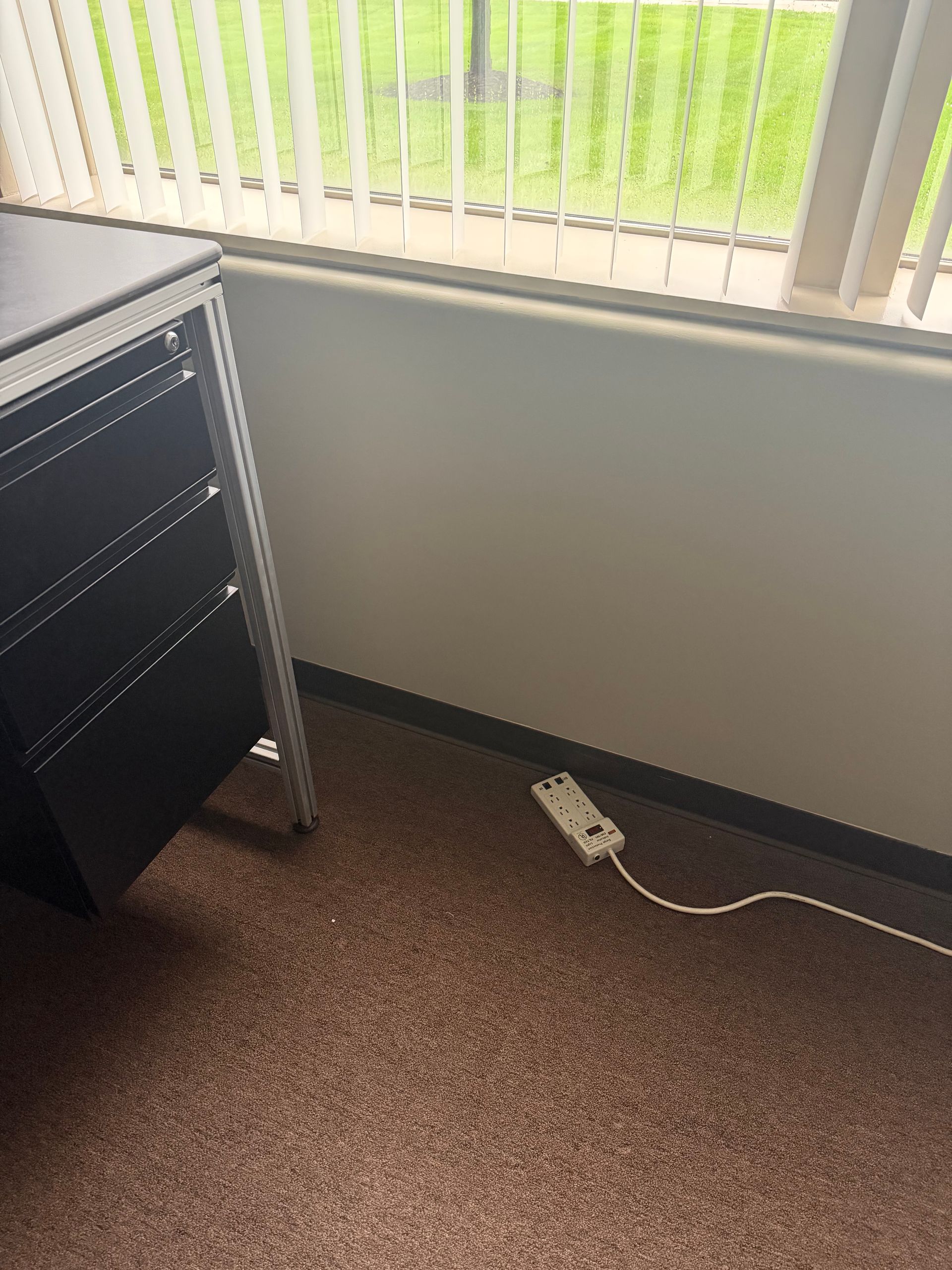
An old power strip from my beginning became an unexpected reminder of how easy it is for business owners to overlook how far they’ve come.