CPA vs EA: Which Tax Professional Should Fort Wayne Business Owners Trust?


Michael Hunsche • March 12, 2026

Share this article

Why Choosing the Right Tax Advisor Matters for Fort Wayne Business Owners

For many Fort Wayne business owners, taxes are treated as a once-a-year task.


But in reality, taxes are one of the largest controllable expenses in your business.


Whether you own a construction company, medical practice, real estate portfolio, or service business in Northeast Indiana, the professional guiding your tax strategy can significantly impact:

  • how much tax you pay
  • how efficiently your business is structured
  • your long-term wealth strategy
  • your risk of IRS issues

Two of the most qualified professionals in the tax world are Certified Public Accountants (CPAs) and Enrolled Agents (EAs).

Understanding the difference can help Fort Wayne business owners make smarter decisions about who they trust with their financial future.


What Is a CPA?


A Certified Public Accountant (CPA) is a state-licensed accounting professional regulated by the Indiana Board of Accountancy.

To earn the CPA designation, professionals must:

  • Complete extensive accounting and tax education
  • Pass the rigorous Uniform CPA Exam
  • Meet professional experience requirements
  • Maintain ongoing continuing education


Many Fort Wayne CPAs work closely with local business owners to provide services beyond tax preparation, including:

  • proactive tax planning
  • business advisory services
  • entity structure consulting
  • cash flow and profitability analysis
  • exit and succession planning

For growth-focused businesses, a CPA often serves as a long-term strategic advisor, not just a tax preparer.


What Is an Enrolled Agent?


An Enrolled Agent (EA) is a federally licensed tax professional authorized directly by the U.S. Treasury and the IRS.

EAs specialize specifically in tax law and IRS representation.


They become licensed by either:

  • passing the IRS Special Enrollment Examination, or
  • gaining significant experience working within the IRS.


Because their focus is exclusively tax law, EAs often have deep expertise in areas like:

  • complex tax filings
  • IRS dispute resolution
  • tax compliance issues
  • multi-year tax problems


Both CPAs and EAs are fully authorized to represent Fort Wayne taxpayers before the IRS.


What CPAs and EAs Have in Common


Both credentials represent a much higher level of expertise than typical seasonal tax preparers.

Licensed CPAs and EAs must:

✔ Pass rigorous professional examinations
✔ Maintain continuing education
✔ Follow strict ethical standards
✔ Represent taxpayers before the IRS


Unfortunately, many business owners don’t realize that most tax preparers are not required to hold these credentials.


Anyone can technically prepare a tax return for compensation.


That’s why choosing a licensed professional is so important.


Why Many Fort Wayne Businesses Work With Firms That Have Both


Many modern advisory firms combine CPAs and Enrolled Agents on the same team.


This approach provides a powerful combination of expertise:

  • Strategic financial advisory from CPAs
  • Deep tax law expertise from EAs


For Fort Wayne business owners, this means getting guidance that covers both:

  • long-term financial strategy
  • detailed tax compliance and planning


When these disciplines work together, business owners gain access to proactive tax strategies that reduce risk and improve long-term outcomes.


The Bigger Question: Advisor or Tax Preparer?


For most business owners, the real question isn't CPA vs EA.


It's whether their tax professional acts as a proactive advisor or simply a tax preparer.


Too many business owners only hear from their tax professional between February and April.


That’s not tax strategy.


That’s compliance.


Serious businesses benefit most from professionals who:

  • review financial performance throughout the year
  • identify tax planning opportunities before year-end
  • advise on compensation and retirement strategies
  • help owners align tax planning with long-term wealth goals


Why Proactive Tax Planning Matters for Fort Wayne Businesses


Local businesses across Northeast Indiana face unique challenges:

  • rising labor costs
  • tight margins
  • economic uncertainty
  • increasing compliance complexity


Without proactive tax planning, business owners often miss opportunities like:

  • optimizing S-Corporation compensation
  • implementing accountable plans
  • maximizing retirement tax strategies
  • strategically timing income and deductions

These decisions must happen during the year — not when the tax return is already being filed.


The Bottom Line for Fort Wayne Business Owners


Credentials matter.


But strategy matters even more.


The best tax advisors combine:

  • advanced credentials (CPA or EA)
  • deep understanding of business finances
  • proactive tax planning throughout the year


That’s how serious business owners turn taxes from a compliance burden into a strategic advantage.


Looking for a Fort Wayne CPA Who Focuses on Strategy?


At Hunsche CPA Group, we work with Fort Wayne business owners who want more than tax preparation.

Our focus is simple:

Modern Tax & Accounting. Real Advisory. No 30-Year-Old Playbooks.

If you're ready for proactive tax planning instead of reactive compliance, we’d love to talk.


Schedule a consultation today and start building a smarter tax strategy for your business.

View More of Our Most Recent Posts

By Michael Hunsche September 10, 2026
Being a family-owned CPA firm shapes how HCG CPA + Advisory approaches independence, accountability, long-term thinking, and serving business owners.
By Michael Hunsche August 18, 2026
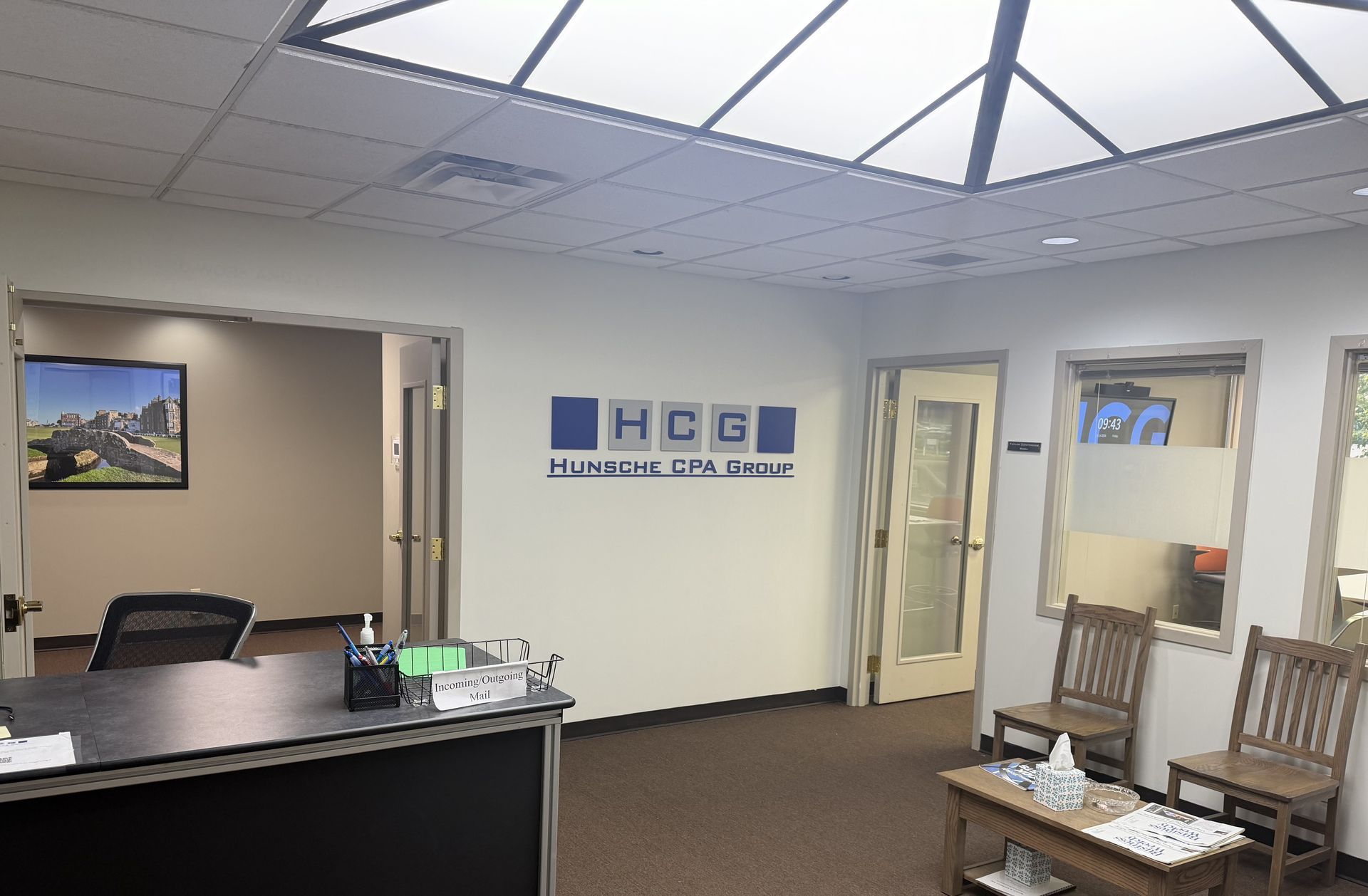
In my last post, I talked about starting this firm from the back of a closet with one client, a makeshift desk, and an old power strip. But I didn’t start a CPA firm because I had always dreamed of owning a CPA firm. I started it because the traditional model didn’t make sense to me — especially after starting a small side business of my own and seeing things from the business owner’s side. Clients would send information into a black hole and wonder when they would hear back. Business owners would meet with their accountant after the year was already over, when most of the opportunities to actually change the outcome were gone. Large firms often reserved their best advice and attention for their largest clients, even though smaller business owners arguably needed that guidance more. Tax returns became the service instead of what I believed they should be: the end result of conversations happening throughout the year. And too often, the accountant knew the numbers but didn’t really know the business. None of that made sense to me. I thought a CPA firm could be more than the place you send documents once a year. I thought we could help business owners make better decisions before those decisions showed up on a tax return. That idea became the foundation of the firm. Pricing was another problem. At the first firm I worked for, we had “dynamic” pricing. In practice, that could mean charging a client more after a good year to supposedly make up for years when their bill had been discounted. Other clients might go an incredibly long time without receiving a bill, only to suddenly get hit with a huge invoice. As someone trying to run a business myself, I couldn’t understand that. How could a business owner budget for a professional relationship without knowing what it was going to cost? The traditional model was built around billing for time, yet employees were constantly being told to work faster. That created the wrong incentives. The focus became completing the deliverable efficiently instead of asking what else the client needed to know. Payroll could become an afterthought. Bookkeeping could become work used to fill the slower months. Questions about a client’s history could be viewed as time taking away from the task at hand. The system rewarded completing work. I wanted a system that rewarded helping the client. So when I started the firm in 2017, the concept was pretty simple. Find out what the client actually needs. Agree on the scope. Give them a predictable monthly price. Review that relationship every 9–12 months and adjust when their needs change. And most importantly, don’t disappear between tax returns. From the beginning, I wanted the relationship to include tax return preparation, mid-year tax planning, year-end planning, and responsive communication throughout the year. At the time, proactive planning and upfront pricing were far less common in the small-business CPA market. A business owner getting a call that said, “Let’s meet in July and see how the first half of the year went,” was not the experience many owners expected from their accountant. But it made perfect sense to me. If we waited until tax season to have that conversation, we weren’t planning anymore. We were reporting history. The response was great — once I could get business owners to give a new firm a chance. Over time, that simple concept grew into something much bigger. People smarter than me helped develop it into what the profession now broadly calls advisory, with a much wider scope and greater ambition than what I originally envisioned. But the underlying idea hasn’t changed. Business owners deserve to know what they’re paying. They deserve honest advice, even when the answer isn’t what they expected. They deserve regular conversations about what is happening in their business and what is coming next. And they deserve a CPA who understands that the goal isn’t simply to produce an accurate tax return. The goal is to help them make better decisions before we get there. That’s why I started the firm. Transparent pricing. Honest advice. Regular conversations.  Built for Business Owners. CPA Led. Strategy Focused.
By Michael Hunsche August 14, 2026
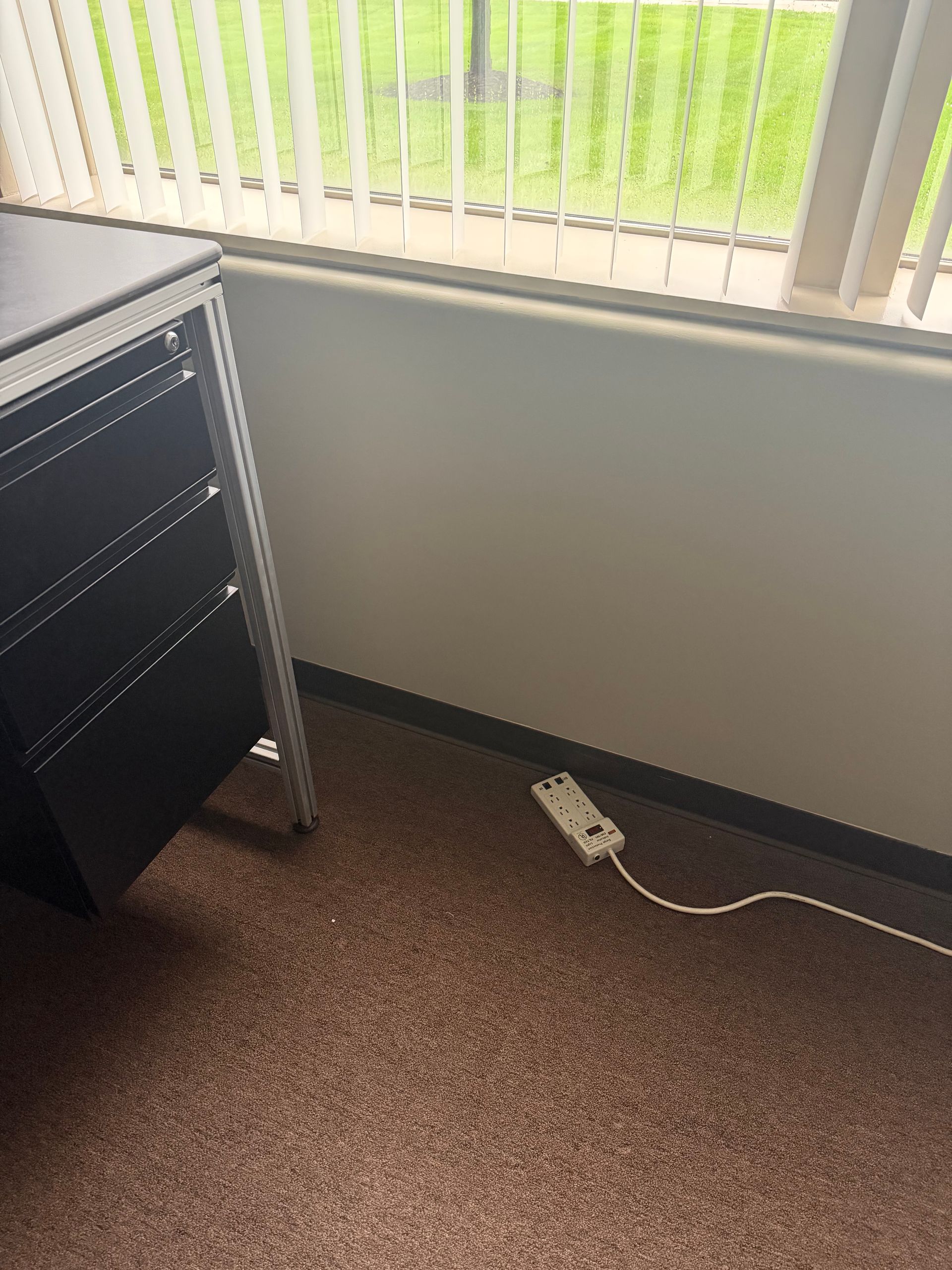
An old power strip from my beginning became an unexpected reminder of how easy it is for business owners to overlook how far they’ve come.